
.svg)
Google Ads for New Brands: What to Know Before Spending Your First Dollar


Launching Google Ads as a new business can feel both exciting and risky. Paid advertising offers fast visibility and the potential for early results, but without the right preparation, it can also become an expensive learning experience.
Before getting started, new brands should understand how Google Ads behaves for new advertisers and what to expect in the early stages to avoid burning spend. This article guides new businesses through what to consider before launching, how the initial phases work, and which fundamentals matter the most before spending their first dollar.
Is Google Ads Right for New Businesses?
Google Ads can be a very powerful tool for new businesses that want to grow quickly. That said, paid advertising has to be used strategically and supported by realistic expectations. Results can come quickly, but it isn’t a shortcut or a guarantee of instant success.
One of the biggest advantages of Google Ads for new advertisers is speed. Unlike SEO – which takes time to show results – paid advertising can start driving traffic and generating data relatively fast.
However, Google Ads also comes with challenges for early-stage advertisers. Limited budgets, low brand awareness, and lack of historical data can make performance unpredictable at first. Patience is usually key, as initial results often fluctuate as campaigns gather data and are optimized.
Google Ads tend to work best for new businesses when:
- The goals, expectations and success metrics are clearly defined.
- There is a clear product or a service with proven demand.
- The website and landing page are built to convert.
- There is a room to test, optimize, and learn over time.
While Google Ads can absolutely be right for new businesses, it’s important to be prepared to use it effectively. When expectations, budgets, and foundations are aligned, Google Ads can become a highly valuable tool for sustainable growth.
How Google Ads Work for New Brands
While Google Ads can bring relatively quick results, for new brands they might not deliver instant, predictable results from day one. Instead, they operate as a learning system that improves performance over time based on data, testing, and user behavior.
The Learning Phase: Why Results Vary Early On
The learning period or a learning phase is a time when Google’s algorithm gathers data and learns how your ad performs. The goal is to understand how best to show your ads to the right people and who is most likely to engage with your ads and convert, so it can deliver them more efficiently over time. Because there’s no historical data yet, the results can fluctuate for new brands.
During this stage, it’s normal to see inconsistent performance in the first weeks, higher costs per click or acquisition initially, and ads testing different audiences, keywords, and placements. This phase is essential – pausing campaigns too early or making frequent, drastic changes can reset learning and slow down progress. It’s important to be patient, support your ads with a good copy, landing page, and a sufficient daily budget during this stage. This gives Google the data it needs to understand your offer and identify the audience most likely to respond.
Budget Expectations for New Advertisers
Budget plays a significant role in how efficiently Google Ads can learn and optimize. For new businesses, a limited budget means fewer data signals, which can slow down optimization and make performance more volatile.
Rather than asking “How little can I spend?”, new advertisers can benefit more from asking “Is my budget sufficient to generate meaningful data?”. Another important thing to consider is whether your business can sustain testing for at least several weeks, and whether you’re prioritizing spend on the highest-intent keywords and audiences.
New brands typically see better results by starting focused, then expanding once performance stabilizes. A budget that supports learning and optimization sets the foundation for more predictable and scalable results later on. Budgets should always align with business goals and competition, but as a rule of thumb, advertisers should prioritize funding the learning phase adequately rather than aiming for the lowest possible spend.
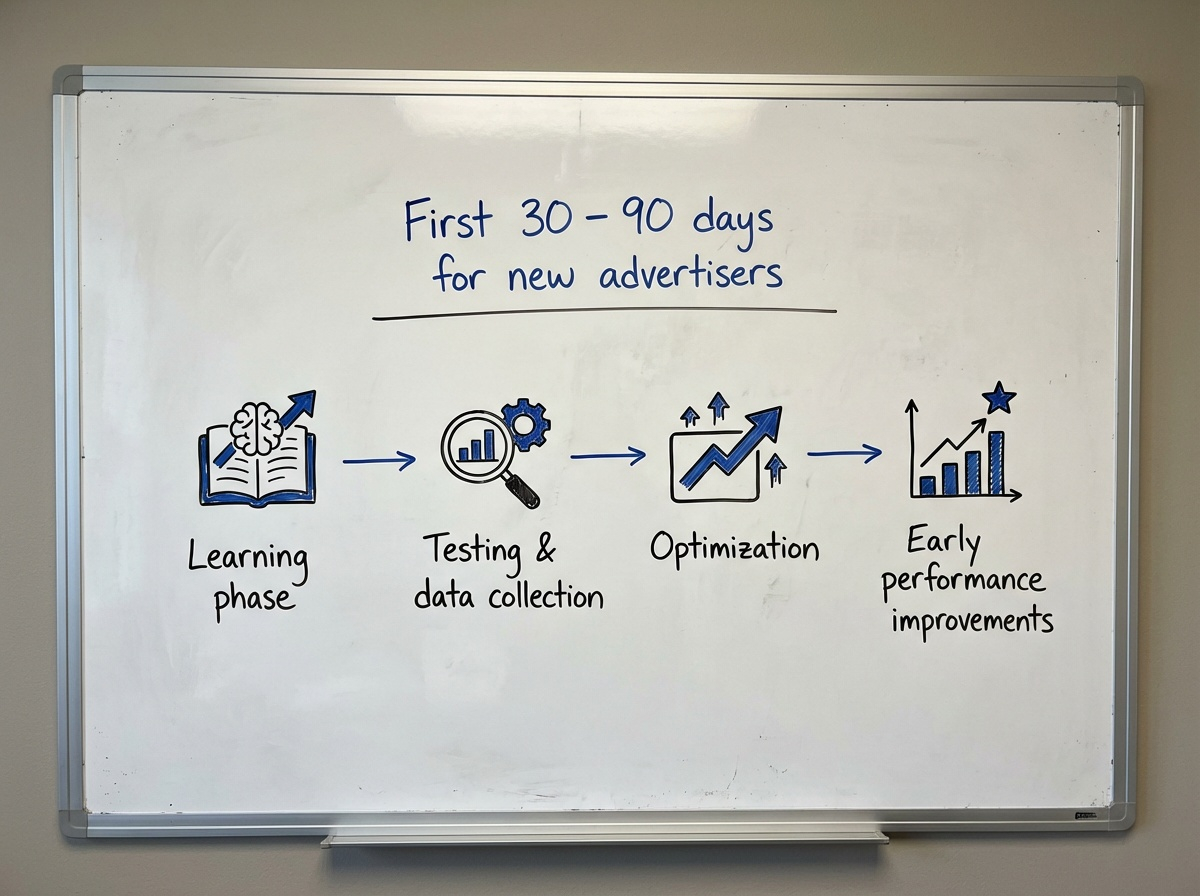
Realistic Expectations for the First 30 – 90 Days
The first few months of running Google Ads are primarily about learning, optimization, and evaluation as campaigns begin to mature. Google Ads can start working relatively fast, but this period is typically not about instant profitability.
During the first 30 – 90 days, new businesses should identify which keywords and audiences convert, monitor data points like bids and performance, and test messaging and offers. It’s equally important to improve landing pages and conversion paths, and gradually reduce wasted spend. For new advertisers, Google Ads is most effective when treated as a performance channel that evolves, rather than a one-time launch.
5 Useful & Simple Google Ads Tips to Start
1. Setting Clear Goals and Expectations
Before launching any campaign, define what success looks like for your business – and what do you expect to achieve with paid advertising. New brands often jump into Google Ads without clearly defined goals, which makes performance difficult to evaluate.
Your business goals may include building brand awareness, generating leads, driving online sales, or testing demand for a new product or service. Clear and measurable goals help set realistic expectations and support more effective Google Ads campaigns.
2. Targeting the Right Customers
Targeting is one of the most common reasons new Google Ads accounts burn budget quickly. Focusing only on high-volume keywords without understanding user intent often leads to low-quality traffic and poor conversion rates.
Instead of chasing volume, new advertisers should prioritize high-intent keywords and relevant audiences. Think about who you want to see your ads and what their needs are – your ideal customers. Keywords should reflect their readiness to take action. The better the targeting, the more efficient the spend.
3. Account & Campaign Structure
A clear and logical account structure makes Google Ads easier to manage and optimize, while also improving ad relevance and overall performance. New businesses typically benefit from a simple and well-organized setup.
One important best practice is separating branded and non-branded campaigns from the start. This helps keep performance data clear, ensures budgets are allocated properly, and makes it easier to understand what’s driving results. Grouping closely related keywords, ads, and landing pages together also improves relevance and simplifies optimization over time.
Overly complex structures can spread budgets too thin and make performance harder to analyze. A clean account structure gives new advertisers better visibility into results and creates a stronger foundation for scaling campaigns as data accumulates.
4. Creative Assets & Technical Setup
Strong creative assets and proper technical setup play a major role in early performance. The assets – such as ad copy, landing pages, images, and videos – should all communicate the ad message clearly and consistently. Messaging should match search intent and guide users towards the next step.
Equally important is accurate conversion tracking and technical setup that would lay a foundation for reliable optimization and decision-making. Without proper tracking in place, it becomes difficult to understand what’s working and what isn’t.
5. Bidding, Testing & Optimization
Bidding and optimization take time, especially for new accounts. Google Ads need sufficient data to understand how users interact with your ads and landing pages. . Budgets often need to be reallocated, bids adjusted, and campaigns refined based on performance insights.
One of the most common mistakes new advertisers make is changing things too quickly. Frequent adjustments to bids, budgets, or campaign settings can interrupt the learning process and make results harder to interpret. Instead, it’s important to give campaigns enough time to collect meaningful data before drawing conclusions. In practice, optimization usually happens in phases, with changes introduced gradually as more data becomes available.
Understanding what the data actually shows helps avoid making emotional or reactive decisions. Paid ads don’t guarantee instant ROI, but consistent testing and informed optimization lead to stronger results over time. More advanced bidding strategies and optimization frameworks are best handled once sufficient data is available or with the support of an experienced Google Ads specialist.
Final Takeaway: What to Expect Before Spending Your First Dollar
For new businesses, Google Ads is most effective when it’s treated as a system to be built. Preparation, clear goals, a solid setup, and optimization often matter more than ad spend from day one.
For new brands, the early phase is about learning and gathering data, not instant profitability. Performance typically improves gradually as campaigns are refined, budgets are reallocated, and decisions are made based on real insights.
If managing this process becomes too complex or overwhelming, or if budget efficiency is a priority from the start, working with an experienced Google Ads agency can help avoid common mistakes and accelerate learning. The right partner can provide strategic guidance, expertise, and a structured approach that supports sustainable growth from the moment you spend your first dollar.

Ready To Start Scaling Today?
Scaling Your Favorite eCommerce Brands To The Highest Levels Through Google & YouTube Ads.

.svg)
Get Smarter About How To Scale Your Brand...
Discover Insider Knowledge On How We Scale Brands From 7 Figures All The Way Up To 8-9 Figures With Google Ads.
.svg)
.svg)
"The best Google ads agency there is. You only need to look at the quality of clients and the reviews to understand Jackson and his team are the real deal."

"One of the best in the agency space, great service and exceptional results. Since signing on with Jackson he has become one of our greatest assets when scaling."

"Top tier team & service delivery. Jackson is relentless when it comes to fulfilment & client needs. His attention to detail during the onboarding process ensured exponential results for my coaching business. If you're looking to elevate your ad results & learn a tone of new options/skills that can be implemented to drive more sales to your business then I'd strongly recommend Echelonn."

"From the very first conversation with Jackson and his team, it was clear that we had found a Google Ads agency that prioritises results above all else. Their collaboration between data-driven experts and a skilled copywriter creates a dynamic duo for Google advertising success..."

"Been working with them for 9 months and it's been a great experience. Jackson and his team know what they are doing and always goes above and beyond. If you're looking for a reliable Google ads agency this is the one."

"The best Google ads agency there is. You only need to look at the quality of clients and the reviews to understand Jackson and his team are the real deal."
"One of the best in the agency space, great service and exceptional results. Since signing on with Jackson he has become one of our greatest assets when scaling."
"Top tier team & service delivery. Jackson is relentless when it comes to fulfilment & client needs. His attention to detail during the onboarding process ensured exponential results for my coaching business. If you're looking to elevate your ad results & learn a tone of new options/skills that can be implemented to drive more sales to your business then I'd strongly recommend Echelonn."
"From the very first conversation with Jackson and his team, it was clear that we had found a Google Ads agency that prioritises results above all else. Their collaboration between data-driven experts and a skilled copywriter creates a dynamic duo for Google advertising success..."
"Been working with them for 9 months and it's been a great experience. Jackson and his team know what they are doing and always goes above and beyond. If you're looking for a reliable Google ads agency this is the one."
More Articles Like This.
Find answers to common queries about our services and how we can help you.
.svg)
What Is a Good CTR for Google Ads?
Why More Google Ads Spend Doesn't Always Mean More Revenue
How To Rank Your Google Shopping Ads Multiple Times
Why Your Google Ads Scale Breaks After $X Per Day
How to Tell if Your Google Ads Agency Is Underperforming
Why Your Performance Max Campaign Gets Clicks but No Sales
.png)
Why Your Google Ads Budget Isn't Spending (And How to Fix It)

The Right Way to Run Google Dynamic Search Ads
How to Get New Customers With Google Ads in 2026
Why Your Google Ads CPA Keeps Increasing and How to Reduce It
What Is a Good ROAS for eCommerce Businesses?
How to Set Up Google Ads Conversion Tracking the Right Way
How Much Does a Google Ads Agency Cost?
Why Your Google Ads Are Not Converting
.png)
Average CPC in Google Ads by Industry (And What It Means for Your Strategy)
Performance Max vs. Shopping Campaigns: Which One is Better?

Why Your Google Shopping Ads Get Impressions But No Clicks (Image Optimization Guide)
Why Your Google Ads Are Not Showing

YouTube Ads Targeting Framework That's Driven $10M+ for eCommerce Brands

What Professional Google Shopping Ads Management Looks Like
How Much Do Google Ads Cost in 2026?

Should Your Business Use Google Search Ads or Performance Max?

Performance Max Best Practices for Sustainable Growth
.png)
Google Shopping Ads Audience Targeting: What Actually Impacts Performance
.png)
How to Write Google Search Ads That Actually Convert
.png)
6 Google Shopping Feed Best Practices That Drive Better ROAS
%20(1).png)
How to Get Your Products Recommended by AI (ChatGPT, Google AI & More)
.png)
Common Google Ads Myths That Cost Businesses Money
.png)
7 Benefits of Google Shopping Ads for Your eCommerce Business
.png)
How to Switch Google Ads Agency Without Losing Performance or Data
.png)
Demand Capture vs Demand Generation: Where Google Ads Fits
.png)
How to Prepare Your Business for Working With a Google Ads Agency

How to Avoid Wasting Budget on the Wrong Searches With Google Ads Keyword Match Types
Google Ads Account Ownership: What Businesses Should Know Before Hiring an Agency
.png)
Landing Page Optimization Strategies That Increase Conversions
SEO and Google Ads: How Search Engine Optimization and Paid Search Work Together
Types of Remarketing in Google Ads: How Each One Works and When to Use It
Google Ads Keyword Research: How to Find Keywords That Actually Convert
.png)
What Is Google Performance Max and How Does It Work?
.png)
How Advertorials Support High-Intent Google Ads Funnels
%20(Canva%20Template).png)
How Audience Targeting Works in Google Search Ads (and When to Use It)

Google Ads for New Brands: What to Know Before Spending Your First Dollar
.png)
What Is a PPC Agency – and When It Makes Sense to Hire One
.png)
How to Improve Your Google Ads Conversion Rate

.png)
The Right Way to Link Shopify and Google Ads for Scalable Growth
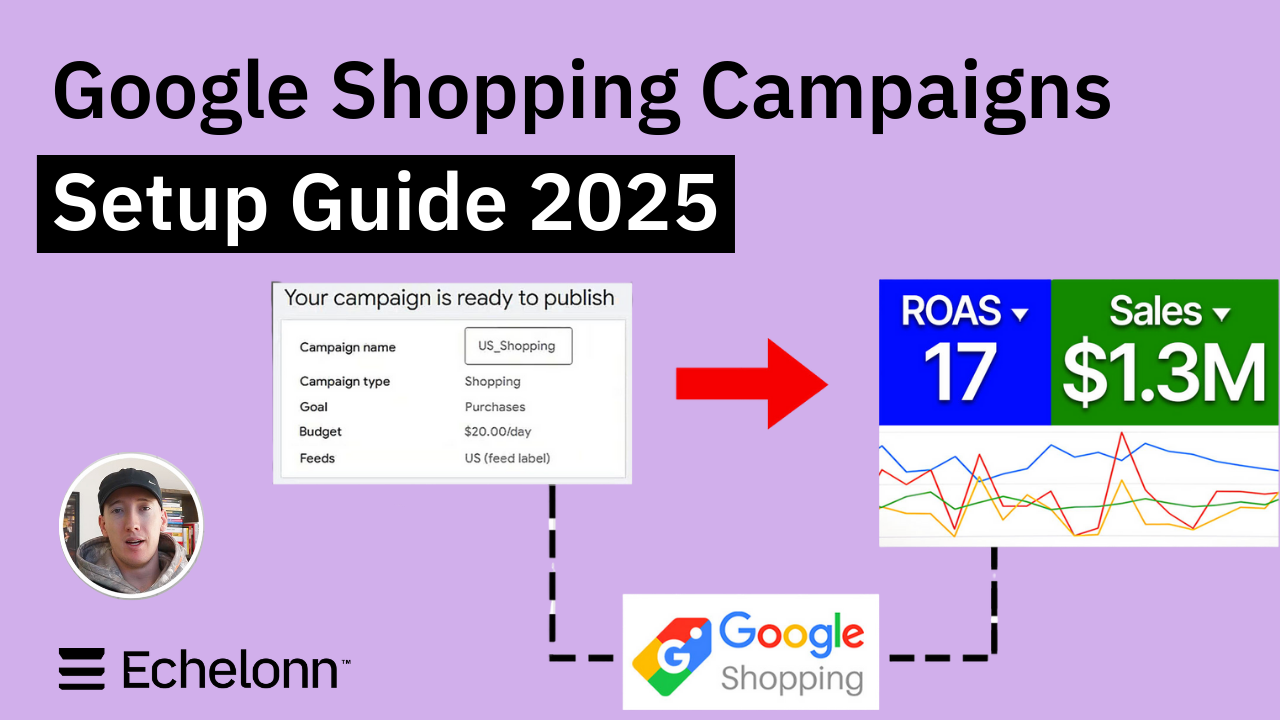
Google Shopping Campaigns Setup Guide 2025
Confessions of a Google Ads Auditor: The Worst Mistakes We See Inside eCom Accounts
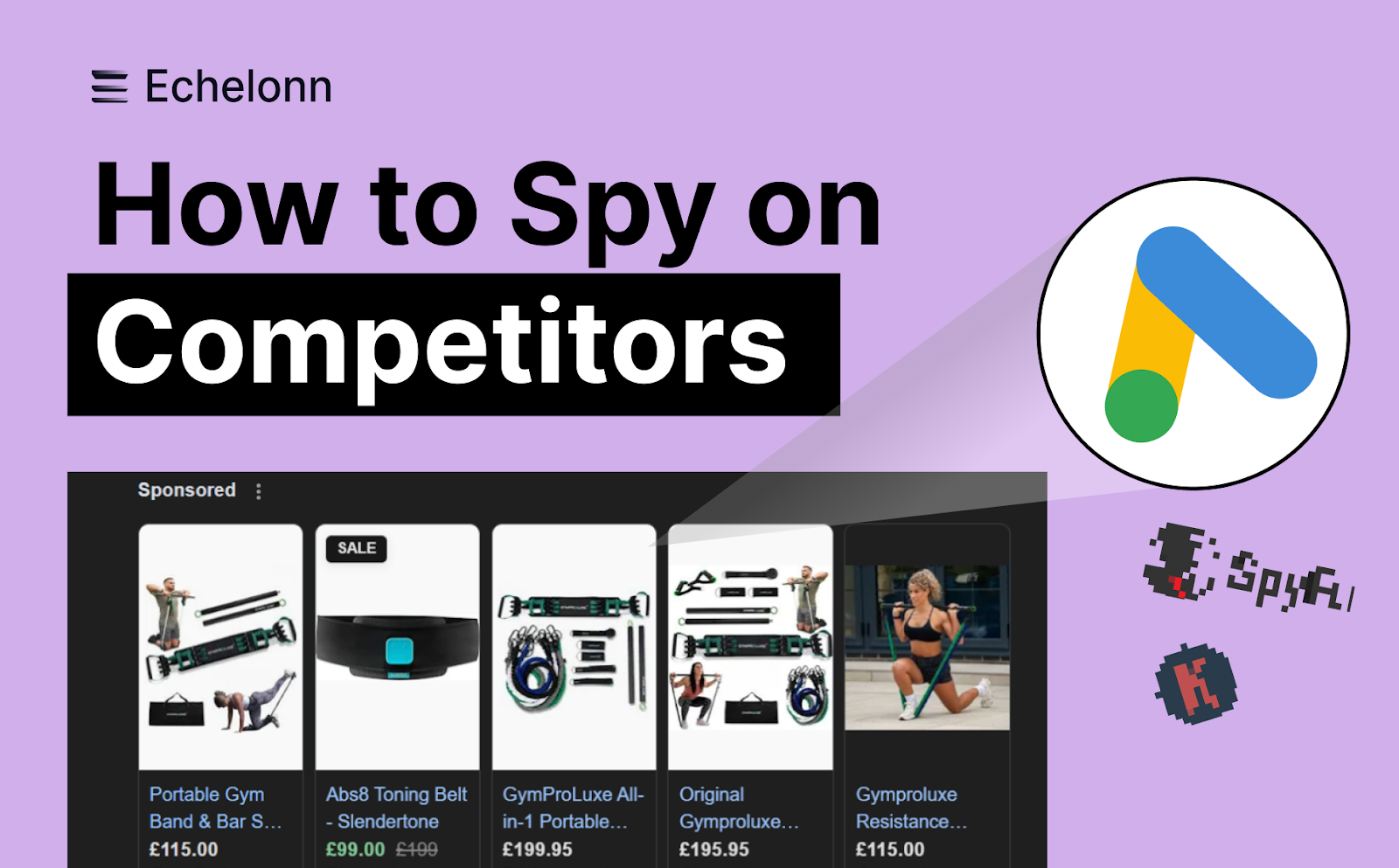
How to Spy on Competitor Google Ads: Complete 2025 Guide
%20(2).png)
7 Questions to Ask Before Hiring a Google Ads Consultant
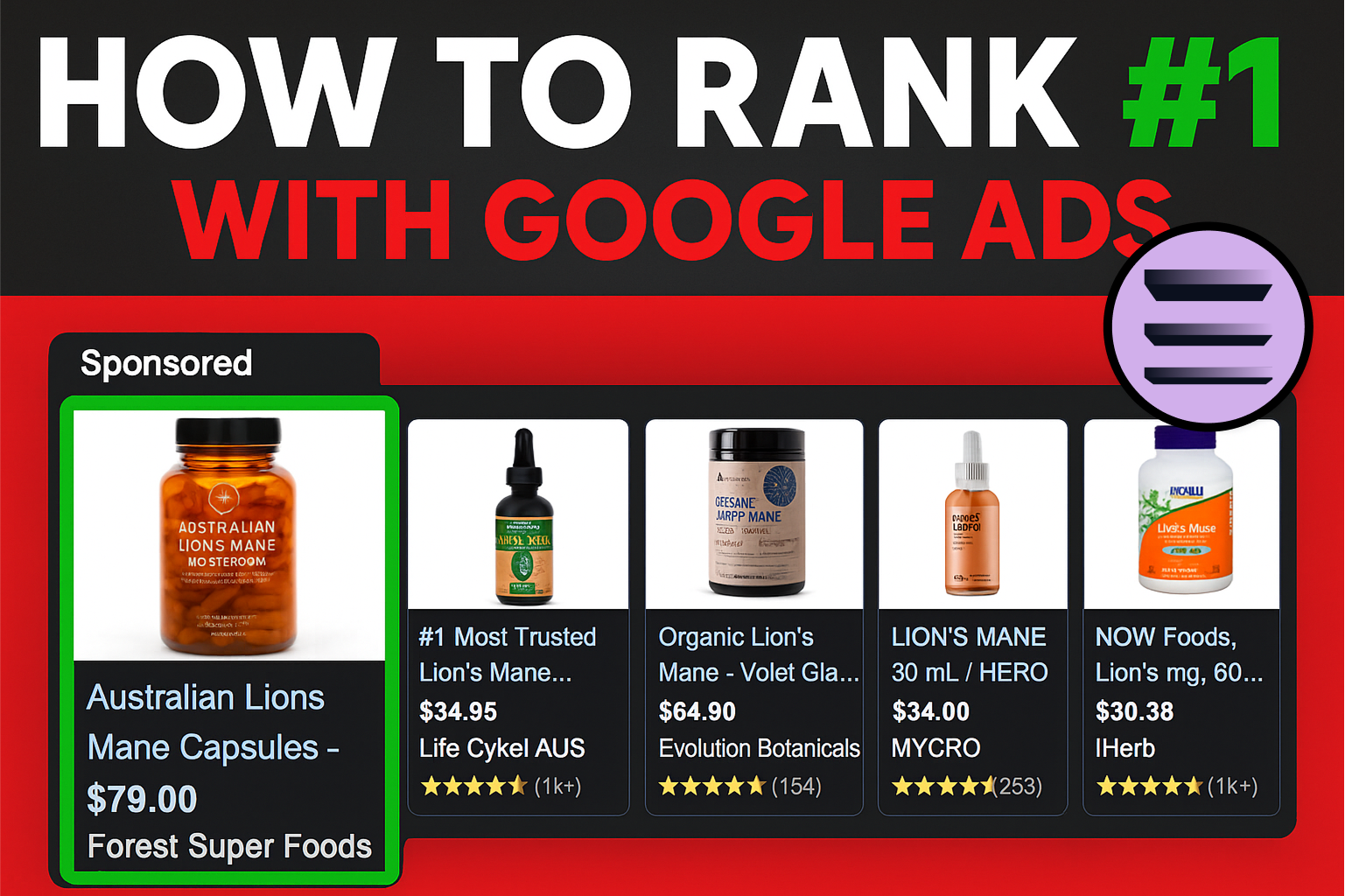
How to Rank #1 on Google Ads: Complete Shopping & Search Guide 2025
.png)
Learning Google Ads in 2025: The Roadmap Nobody Talks About
%20(1).png)
What Makes a Google Ads Specialist Worth $10,000/Month?

Why Cheap Google Ads Consulting Costs You $180,000+ in Lost Revenue
.png)
Why 99% of Google Ads Experts Fail (& How to Find One That Won’t)
.png)
5 Google Product Feed Fixes for eCom Growth
.png)
Google Ads Campaign Structure: Why 95% of Brands Waste Budget on Mixed Traffic

In-House vs Agency Google Ads: Which Delivers Better ROI in 2025?
.png)
How to Scale Google Ads With a Small Budget | Setup and Optimization

Google Shopping Optimization: 11 Proven Tactics for Maximum ROAS
%20(3).png)
eCom Growth Strategy: How We Scaled a Supplement Brand From $1.9M to $8.6M With Google Ads
%20(4).png)
Google Merchant Center Fix: How to Improve Rankings With Accurate Shipping Times

CTR Is Misunderstood by 95% of the PPC Industry (What to Optimise for Instead)
.png)
Google Ads AI | Manual vs Automated Campaign Performance

Complete YouTube Ads Guide 2025 | 3 Formats, 5 Principles, Proven Results
%20(2).png)
eCom Growth Strategy With Google Ads in 2025
.png)
Google Marketing Live 2025: 11 Key Takeaways for Marketers
%20(1).png)
YouTube Advertising Strategy: How to Drive Results Across Every Format
Google Shopping Feed Optimisation: Tips for Better Results

How Long Does it Take for Google Ads to Work?

Search Ad Strategies to Maximize Sales with Google ads for eCommerce (2024)

2025 Google Shopping Ads: Ultimate Guide, Benchmarks, and Pricing Breakdown

Maximizing ROI with Advanced Google Shopping Bid Strategies and Automated Bidding