
.svg)
Google Ads Account Ownership: What Businesses Should Know Before Hiring an Agency


When businesses hire a Google Ads or PPC agency, conversations usually focus on strategy, budget, and expected results. Ownership of the Google Ads account is often treated as a technical detail. In reality, it is a strategic decision.
A Google Ads account holds accumulated performance data, conversion signals, audience insights, and billing records. Over time, it becomes an important business asset. That is precisely why businesses should understand who owns the account, who manages it, who has access to it, and what to clarify before entering a new agency partnership.
Why Google Ads Account Ownership Matters
While a Google Ads account functions as a campaign management platform, it also contains important performance data that shapes bidding algorithms, audience targeting, and conversion optimization. When the account is owned by the business, the data remains a long-term asset. Campaign history, keyword insights, audience performance, and conversion learning continue to inform future strategy and business decisions, regardless of who manages the campaigns.
The situation changes if the account is owned by an agency. During the partnership, this may not appear problematic. However, if the collaboration ends, the business may lose access to historical data or be forced to launch campaigns in a new account. This means rebuilding performance history, resetting automated bidding learning phases, and disrupting reporting consistency. It can also involve losing audience lists, Customer Match data, and accumulated conversion signals – assets that have taken months to build and feed the algorithms influencing how efficiently advertising budgets are allocated.
Ownership of a Google Ads account ultimately means retaining control over an asset that directly influences revenue generation, as opposed to having to manage campaigns daily. The distinction helps prevent structural and strategic risks in the long run.
Who Should Own a Google Ads Account?
In most cases, the business should own the Google Ads account. This means the legal and administrative side still belongs to the company that funds the advertising, while an agency manages the campaigns. Ownership determines who controls:
- access permissions
- billing settings
- historical data
- linked assets (Google Analytics 4, Merchant Center, conversion tracking)
When ownership is not clearly defined, collaboration can still function in the short term. The risks usually appear later on, whether that’s during scaling, restructuring, or when the partnership ends.
Businesses can encounter several Google Ads account structures:
- Individual account – Created under a personal email address. This setup is especially common for new businesses and can work, but over time, it creates reliance on one individual and limits visibility and control within the organization.
- Business-owned account – Created under a company email and billing profile. The business grants access to an internal team and external partners as needed. This setup typically offers the most stability and flexibility.
- MCC/Manager account – MCC (Manager Account) is an umbrella structure agencies use to manage multiple client accounts. The business owns its Google Ads account and the agency accesses it through their Manager account.
- Agency-created account – Sometimes an agency creates and owns the account under their structure. While this might simplify onboarding, if the partnership ends, transferring the account might be more complex than necessary – and in some cases, full transfer of ownership may not be technically possible without rebuilding the account structure.
How to Add a Manager to a Google Ads Account
Collaboration in Google Ads is most commonly handled through a Manager account connection. The process looks like this:
- The agency shares its Manager account ID or requests access.
- The business links its Google Ads account to the agency’s Manager account.
- The agency is granted the appropriate permissions – usually Standard or Admin, depending on the agreement.
This structure allows independent ownership of the billing, unlimited access to historical data, and the ability to change agencies without having to rebuild the account. A properly structured Google Ads account protects the business while allowing external expertise to operate effectively.
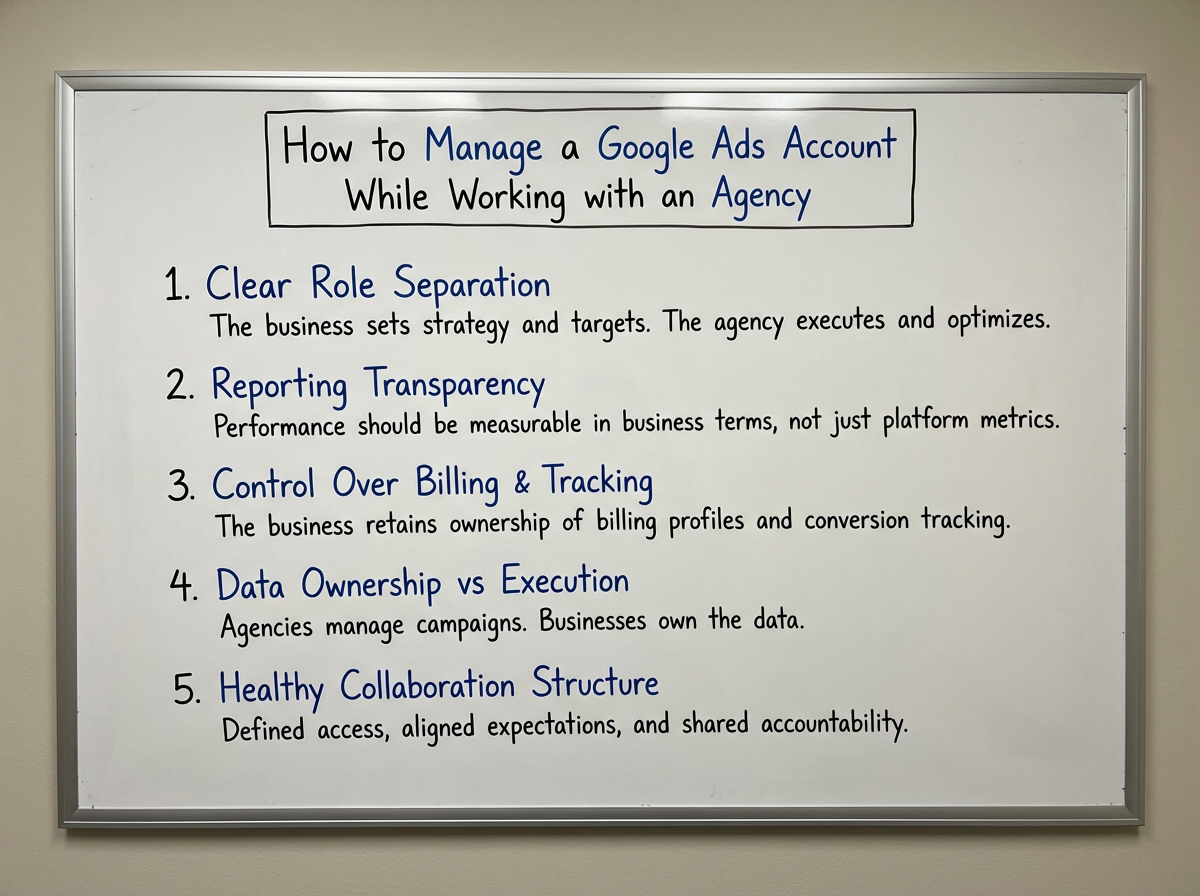
How to Manage a Google Ads Account While Working with an Agency
Setting up ownership of your Google Ads account and granting access to an agency are only the first steps. The next steps are about the collaboration structure once access is granted. Effective cooperation comes from clearly defined roles, transparent data access, and aligned expectations around decision-making. Below are the factors that typically define healthy account management.
Clear Role Separation
Ownership and execution are different responsibilities belonging to different entities. The business defines strategic priorities, acceptable acquisition costs, profitability targets, and growth direction. The agency then translates those inputs into campaign structure, bidding strategy, testing priorities, and optimization decisions. Clear role separation creates accountability without limiting flexibility.
Reporting Transparency
The business should always understand how conversions are tracked and how performance is measured. Agency-generated reports can save time and help interpret data in a business context, but direct access should remain in place. Well-structured reporting focuses on business impact, rather than just platform metrics, such as CTR or impression share. An agency should convey cost per acquisition, revenue contribution, lead quality, and other metrics relevant to the business. Reporting should always be transparent and tailored to the business’ needs.
Access to Billing And Conversion Tracking
Billing and conversion tracking tend to be overlooked when discussing Google Ads account ownership. The business should control the primary billing profile, access to payment methods, and retain ownership of conversion tracking setups – including Google Tag Manager, GA4, and any third-party tracking tools.
This matters because conversion tracking directly feeds Smart Bidding algorithms. If a primary tracking setup breaks or gets lost during a transition, the system may interpret the resulting data gap as a performance decline and automatically lower bids. For this reason, having a secondary conversion action configured as a backup – not used for optimization, but available for validation – can help diagnose whether a drop is real or technical, and switch sources without disrupting bidding behavior. If conversion tracking is controlled exclusively by the agency, maintaining this redundancy becomes more difficult, significantly increasing transition risk.
Data Ownership vs Operational Management
If there is one principle to keep in mind, it is this: Agencies manage campaigns. Businesses own the data.
Historical performance, audience insights, search term learnings, conversion patterns – these are not elements that can be easily replaced, nor do they matter only to Google Ads campaigns. Over time, this data influences budget allocation decisions, forecasting, channel mix strategy, and overall business direction.
It also determines how effectively a new agency can operate from day one. When account data remains intact, a new partner can audit the existing structure, identify strengths and gaps, and build on accumulated learning. When the data is lost, the process becomes slower and more uncertain, requiring conversion learning and audience signals to be rebuilt. Separating data ownership from daily execution allows businesses to preserve long-term control while benefiting from external expertise.
Healthy Collaboration Structure
Strong partnerships between businesses and Google Ads consultants tend to share certain characteristics. The access levels are clearly defined, the ownership structure is documented, reporting is transparent, and decision authority is well understood. The agency doesn’t restrict legitimate account access. The business does not intervene in tactical adjustments without prior strategic alignment. A strong partnership balances responsibilities and recognizes the value a Google Ads specialist brings without giving up control over the asset. This balance creates stability and allows campaigns to evolve without creating long-term reliance on a single operator.
“The business owns the account. The specialist runs the campaigns. That separation keeps performance stable without creating dependency.”
Red Flags to Watch Before Signing an Agency Contract
There are certain patterns that should prompt closer attention before signing a contract. These signals are less about competence and more about control and transparency.
Agency Insists on Using Their Own Account
If an agency requires campaigns to run exclusively under their own Google Ads account, the business gives up structural control. While this setup might be simple in the beginning, especially for new businesses or those that are very busy, it creates dependency. Critical performance signals and accumulated learning remain tied to the agency’s account. A professional setup rarely requires transferring ownership in order to operate effectively.
No Admin Access for the Business
Admin access means that the business has the ability to review, audit, or transition when necessary. Limited visibility into account settings, billing, or linked assets restricts control and transparency. Even if reporting is regular, the absence of direct access increases dependency and transition risk. The business should retain primary administrative access at all times – not to intervene, but to oversee.
Billing Without Full Visibility
When billing goes exclusively through the agency without a clear cost breakdown, it raises concerns. The business should understand how media spend is charged, what portion represents management fees, and whether discounts or credits apply. Unclear billing structure can complicate budgeting and forecasting decisions. Separating ad spend from agency fees makes costs easier to understand and evaluate.
Unclear Explanation of Ownership Structure
If ownership terms are vague, undefined, or avoided altogether, that alone warrants closer attention. Before partnering with a Google Ads or PPC agency, a business should understand who legally owns the account, who controls billing, and who owns linked analytics assets. If these questions aren’t answered clearly before signing, they are likely to become more complicated later.
Conclusion: Control the Asset, Delegate the Execution
While Google Ads is a powerful campaign platform, over time it also becomes part of the company's broader performance infrastructure. Ownership enables effective collaboration. When businesses retain control of their Google Ads account while granting access to agencies, they protect their data, preserve continuity, and reduce operational risk. The principle is straightforward: control the asset, delegate the execution. That separation allows external expertise to operate without creating dependency – and supports more stable, long-term growth.

Ready To Start Scaling Today?
Scaling Your Favorite eCommerce Brands To The Highest Levels Through Google & YouTube Ads.

.svg)
Get Smarter About How To Scale Your Brand...
Discover Insider Knowledge On How We Scale Brands From 7 Figures All The Way Up To 8-9 Figures With Google Ads.
.svg)
.svg)
"The best Google ads agency there is. You only need to look at the quality of clients and the reviews to understand Jackson and his team are the real deal."

"One of the best in the agency space, great service and exceptional results. Since signing on with Jackson he has become one of our greatest assets when scaling."

"Top tier team & service delivery. Jackson is relentless when it comes to fulfilment & client needs. His attention to detail during the onboarding process ensured exponential results for my coaching business. If you're looking to elevate your ad results & learn a tone of new options/skills that can be implemented to drive more sales to your business then I'd strongly recommend Echelonn."

"From the very first conversation with Jackson and his team, it was clear that we had found a Google Ads agency that prioritises results above all else. Their collaboration between data-driven experts and a skilled copywriter creates a dynamic duo for Google advertising success..."

"Been working with them for 9 months and it's been a great experience. Jackson and his team know what they are doing and always goes above and beyond. If you're looking for a reliable Google ads agency this is the one."

"The best Google ads agency there is. You only need to look at the quality of clients and the reviews to understand Jackson and his team are the real deal."
"One of the best in the agency space, great service and exceptional results. Since signing on with Jackson he has become one of our greatest assets when scaling."
"Top tier team & service delivery. Jackson is relentless when it comes to fulfilment & client needs. His attention to detail during the onboarding process ensured exponential results for my coaching business. If you're looking to elevate your ad results & learn a tone of new options/skills that can be implemented to drive more sales to your business then I'd strongly recommend Echelonn."
"From the very first conversation with Jackson and his team, it was clear that we had found a Google Ads agency that prioritises results above all else. Their collaboration between data-driven experts and a skilled copywriter creates a dynamic duo for Google advertising success..."
"Been working with them for 9 months and it's been a great experience. Jackson and his team know what they are doing and always goes above and beyond. If you're looking for a reliable Google ads agency this is the one."
More Articles Like This.
Find answers to common queries about our services and how we can help you.
.svg)
Google Ads Optimization Score: Should You Trust It?
What Is a Good CTR for Google Ads?
Why More Google Ads Spend Doesn't Always Mean More Revenue
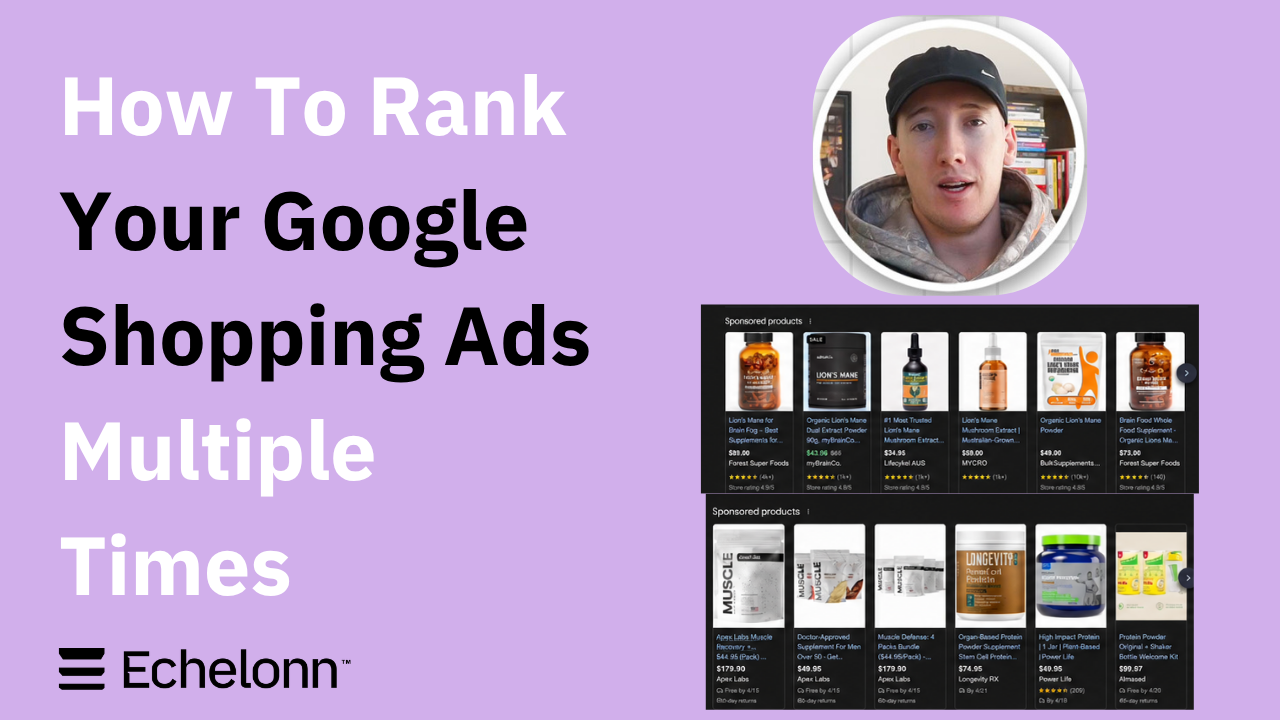
How To Rank Your Google Shopping Ads Multiple Times
Why Your Google Ads Scale Breaks After $X Per Day
How to Tell if Your Google Ads Agency Is Underperforming
Why Your Performance Max Campaign Gets Clicks but No Sales
.png)
Why Your Google Ads Budget Isn't Spending (And How to Fix It)

The Right Way to Run Google Dynamic Search Ads
How to Get New Customers With Google Ads in 2026
Why Your Google Ads CPA Keeps Increasing and How to Reduce It
What Is a Good ROAS for eCommerce Businesses?
How to Set Up Google Ads Conversion Tracking the Right Way
How Much Does a Google Ads Agency Cost?
Why Your Google Ads Are Not Converting
.png)
Average CPC in Google Ads by Industry (And What It Means for Your Strategy)
Performance Max vs. Shopping Campaigns: Which One is Better?

Why Your Google Shopping Ads Get Impressions But No Clicks (Image Optimization Guide)
Why Your Google Ads Are Not Showing

YouTube Ads Targeting Framework That's Driven $10M+ for eCommerce Brands

What Professional Google Shopping Ads Management Looks Like
How Much Do Google Ads Cost in 2026?

Should Your Business Use Google Search Ads or Performance Max?

Performance Max Best Practices for Sustainable Growth
.png)
Google Shopping Ads Audience Targeting: What Actually Impacts Performance
.png)
How to Write Google Search Ads That Actually Convert
.png)
6 Google Shopping Feed Best Practices That Drive Better ROAS
%20(1).png)
How to Get Your Products Recommended by AI (ChatGPT, Google AI & More)
.png)
Common Google Ads Myths That Cost Businesses Money
.png)
7 Benefits of Google Shopping Ads for Your eCommerce Business
.png)
How to Switch Google Ads Agency Without Losing Performance or Data
.png)
Demand Capture vs Demand Generation: Where Google Ads Fits
.png)
How to Prepare Your Business for Working With a Google Ads Agency

How to Avoid Wasting Budget on the Wrong Searches With Google Ads Keyword Match Types
Google Ads Account Ownership: What Businesses Should Know Before Hiring an Agency
.png)
Landing Page Optimization Strategies That Increase Conversions
SEO and Google Ads: How Search Engine Optimization and Paid Search Work Together
Types of Remarketing in Google Ads: How Each One Works and When to Use It
Google Ads Keyword Research: How to Find Keywords That Actually Convert
.png)
What Is Google Performance Max and How Does It Work?
.png)
How Advertorials Support High-Intent Google Ads Funnels
%20(Canva%20Template).png)
How Audience Targeting Works in Google Search Ads (and When to Use It)

Google Ads for New Brands: What to Know Before Spending Your First Dollar
.png)
What Is a PPC Agency – and When It Makes Sense to Hire One
.png)
How to Improve Your Google Ads Conversion Rate

.png)
The Right Way to Link Shopify and Google Ads for Scalable Growth
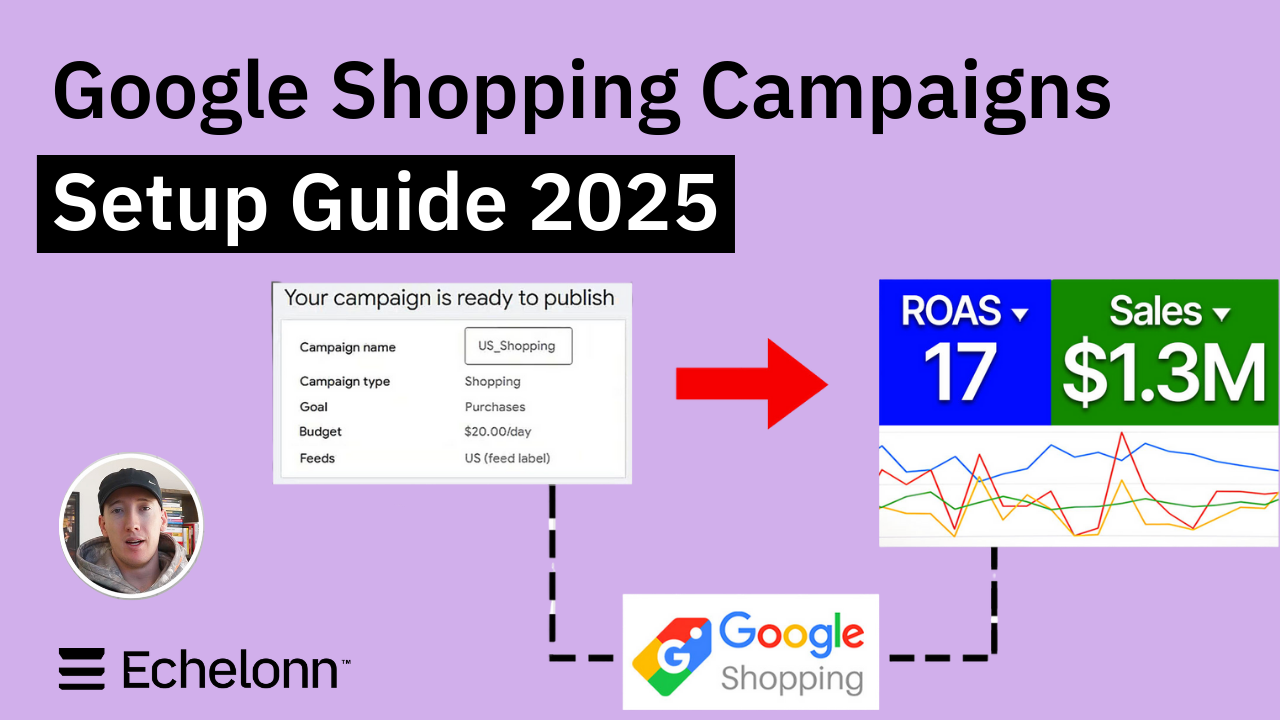
Google Shopping Campaigns Setup Guide 2025
%20(2).png)
Should You Run Google Ads for Your Website? (Honest Answer)
Confessions of a Google Ads Auditor: The Worst Mistakes We See Inside eCom Accounts
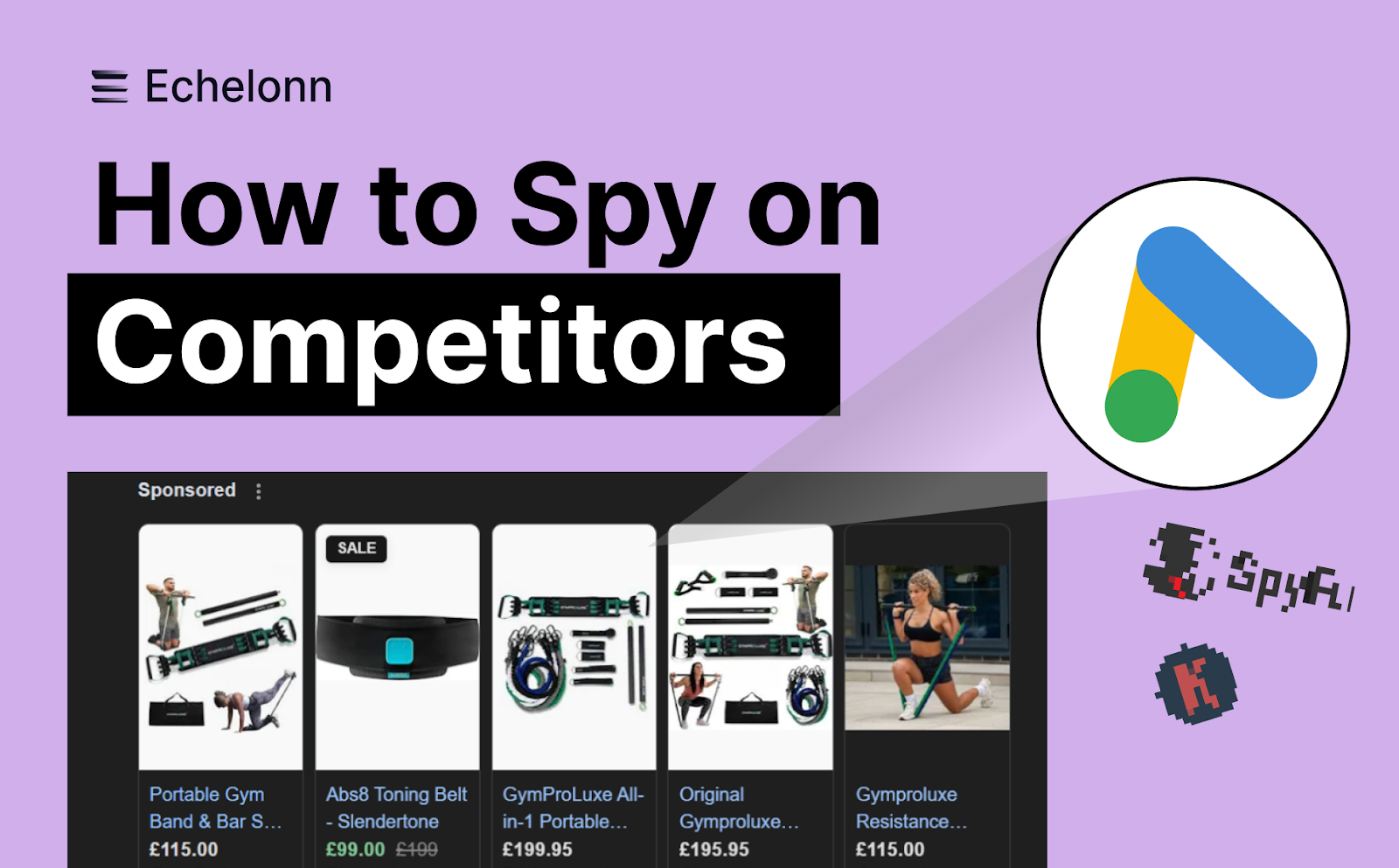
How to Spy on Competitor Google Ads: Complete 2025 Guide
%20(2).png)
7 Questions to Ask Before Hiring a Google Ads Consultant
How to Rank #1 on Google Ads: Complete Shopping & Search Guide 2025
.png)
Learning Google Ads in 2025: The Roadmap Nobody Talks About
%20(1).png)
What Makes a Google Ads Specialist Worth $10,000/Month?

Why Cheap Google Ads Consulting Costs You $180,000+ in Lost Revenue
.png)
Why 99% of Google Ads Experts Fail (& How to Find One That Won’t)
.png)
5 Google Product Feed Fixes for eCom Growth
.png)
Google Ads Campaign Structure: Why 95% of Brands Waste Budget on Mixed Traffic

In-House vs Agency Google Ads: Which Delivers Better ROI in 2025?
.png)
How to Scale Google Ads With a Small Budget | Setup and Optimization

Google Shopping Optimization: 11 Proven Tactics for Maximum ROAS
%20(3).png)
eCom Growth Strategy: How We Scaled a Supplement Brand From $1.9M to $8.6M With Google Ads
%20(4).png)
Google Merchant Center Fix: How to Improve Rankings With Accurate Shipping Times

CTR Is Misunderstood by 95% of the PPC Industry (What to Optimise for Instead)
.png)
Google Ads AI | Manual vs Automated Campaign Performance

Complete YouTube Ads Guide 2025 | 3 Formats, 5 Principles, Proven Results
%20(2).png)
eCom Growth Strategy With Google Ads in 2025
.png)
Google Marketing Live 2025: 11 Key Takeaways for Marketers
%20(1).png)
YouTube Advertising Strategy: How to Drive Results Across Every Format
Google Shopping Feed Optimisation: Tips for Better Results

How Long Does it Take for Google Ads to Work?

YouTube Ads Cost in 2025: How to Launch & Optimize a YouTube Advertising Campaign

Search Ad Strategies to Maximize Sales with Google ads for eCommerce (2024)

2025 Google Shopping Ads: Ultimate Guide, Benchmarks, and Pricing Breakdown

Maximizing ROI with Advanced Google Shopping Bid Strategies and Automated Bidding