
.svg)
Demand Capture vs Demand Generation: Where Google Ads Fits


.png)
Business growth often slows not because of budget constraints, but because of structural allocation decisions inside the marketing mix. The discussion around demand capture vs demand generation is often framed as a funnel conversation. In reality, it is a budget allocation decision. It determines how predictable your revenue is, how stable your bidding signals are, and how reliably your Google Ads account can scale.
At its core, demand capture monetizes existing intent. Demand generation creates future intent. Both matter, but they behave very differently inside an automated system. In Google Ads, this difference directly affects signal consistency, bidding behavior, and data interpretation.
When demand capture and demand generation are not clearly separated, performance becomes harder to interpret. CPA trends become less consistent, forecasting loses precision, and budget allocation decisions rely on incomplete signals. Understanding where Google Ads fits between demand capture and demand generation is not just theoretical. It is a decision that shapes account stability and growth potential over time.
Demand Capture as a Revenue Stabilizer
Demand capture focuses on users with existing purchase intent. The role of Google Ads here is to capture structured demand already present in search behavior. Search and Shopping campaigns targeting branded and non-branded high-intent queries operate in this layer.
Because intent already exists, conversion timing is typically shorter and more consistent. This consistency leads to more stable conversion patterns, supporting predictable bidding behavior and tighter CPA control. Automated bidding systems rely on historical data. When conversions follow relatively consistent patterns, Smart Bidding algorithms can learn faster and adjust more confidently.
However, demand capture scales within market limits. Growth is limited by available search volume, rather than by budget alone. Increasing ad spend doesn’t create new intent; it only competes harder for existing queries. Because this layer targets users with clear purchase intent, it is also typically the most competitive environment in paid search, with multiple advertisers bidding on the same high-value queries.
Over time, a well-structured demand capture layer builds a reliable performance baseline. That baseline strengthens forecasting accuracy, improves automation learning depth, and supports controlled optimization decisions at the account level.
Demand Generation as a Growth Multiplier
Demand generation creates awareness and interest before active search intent exists. The role of Google Ads in this layer is to shape future buying demand rather than immediately capture it. YouTube, Display, Discovery, and upper-funnel Performance Max typically operate here.
Because intent is not yet fully formed, conversion timing is longer and less predictable. Users may interact with multiple touchpoints before converting. This introduces greater variability in conversion patterns, which can reduce short-term bidding predictability. Automated systems receive more fragmented and delayed signals, and optimization cycles tend to be longer.
That said, demand generation expands the future demand pool. It increases branded search, improves assisted conversions, and strengthens remarketing audiences. Over time, a well-structured demand generation layer fuels the demand capture one, making the whole account less dependent on existing search volume. When supported by disciplined measurement frameworks and clear attribution logic, demand generation becomes a structured growth layer rather than a source of volatility.
Demand Capture vs Demand Generation: Structural Differences
Demand capture and demand generation operate on fundamentally different signal mechanics inside Google Ads. In demand capture, conversion signals are typically direct and attributed to high-intent queries. In demand generation, conversions are often assisted, delayed, or indirectly influenced by repeated exposure and longer decision timelines.
Accounts relying heavily on demand generation often experience less stable conversion data, which can affect Smart Bidding learning consistency. Over-investing in one side creates a structural imbalance: either capped growth (capture-only) or unstable cash flow (generation-heavy).
Balanced accounts treat these layers differently. They separate budgets, reporting, and performance expectations. This structural separation preserves signal clarity, improves data interpretation, and protects bidding stability at the account level.
Where Google Ads Fits Today
Google Ads is not a purely demand capture platform anymore. Automation, audience signals, and YouTube have expanded its role across both intent layers. Understanding the role of each format is essential for designing a clear signal architecture within the account.
Search and Shopping
Search and Shopping remain capture-focused formats. They monetize intent that already exists in search behavior. Search campaigns respond directly to user queries, while Shopping campaigns connect structured product data with high-intent commercial searches. In both cases, the system reacts to demand rather than creating it.
Because intent is explicit, conversion signals are typically clearer and easier to attribute. This clarity produces stronger short-term performance visibility and more stable bidding inputs. When structured correctly, Search and Shopping provide the core revenue baseline of an eCommerce account. They establish consistent data patterns that automation systems rely on for optimization and forecasting. Without this baseline, scaling through upper-funnel formats becomes harder to interpret and measure reliably.
YouTube and Upper-Funnel Formats
YouTube and upper-funnel formats operate primarily in the demand generation layer. Their role is to influence future search behavior and increase the likelihood of branded and category searches over time. Unlike Search, intent is not explicit. Engagement usually comes before conversion, often across multiple devices and sessions.
That shifts performance interpretation. Conversions may not happen immediately, and direct attribution can understate impact. As a result, signal timing becomes less predictable. Short-term CPA/ROAS fluctuations are more common, and optimization cycles require longer evaluation windows. When measured with clear intent separation, defined performance expectations, and consistent attribution logic – often supported by third-party attribution tools such as Triple Whale – these formats expand future demand while maintaining the stability of the capture layer.
Performance Max
Performance Max is hybrid by design. It can operate in both demand capture and demand generation, depending on structure, asset configuration, and audience signals. Because it distributes budget across multiple placements, its output is heavily influenced by signal quality and intent clarity. If high-intent signals dominate, it can behave more like capture. However, in practice PMax may still expand into placements such as YouTube or Gmail, which means outcomes are not always fully predictable. If audience expansion dominates, it tends to shift toward generation.
This flexibility increases signal variability across the account. When capture and generation signals are blended without structural separation, interpretation becomes more difficult. Performance Max may scale volume while masking underlying shifts in intent composition. In automated environments, these shifts directly affect bidding inputs and learning stability. Blended strategies influence how conversion data flows across campaigns, directly affecting account-level optimization and forecasting reliability. The more automated the account, the more critical signal quality and structural clarity become.

The Performance Risk of Mixing Capture and Generation Without Structure
Mixing demand generation and demand capture without structural separation makes performance interpretation less reliable. Shared budgets, blended reporting, and unclear attribution windows create misleading signals. When conversion data from different intent levels is aggregated, bidding systems respond to inconsistent patterns. CPA/ROAS trends become harder to interpret, and optimization decisions shift from deliberate to reactive – a dynamic that emerges when signal quality is diluted across intent layers. Automation is built on signals, and inconsistent inputs directly affect how algorithms allocate budget.
Over time, this signal inconsistency reduces bidding stability. Growth may appear more efficient than it is, or stable performance may be misinterpreted as stagnation, because the underlying intent layers are not clearly defined. Without separation, performance conversations rely on blended averages rather than controlled layers.
In automated environments, structural clarity is not optional. It directly shapes how algorithms learn, how budgets are allocated, and how confidently an account can scale.
Final Takeaway: Structure Before Scale
Demand capture and demand generation shouldn’t be seen as competing strategies. They serve different roles inside the same system. One stabilizes revenue and strengthens bidding signals. The other expands future opportunity and increases long-term growth potential.
In many cases, this results in a budget structure where roughly 70–80% goes toward demand capture (Search and Shopping campaigns targeting existing intent), while 20–30% is allocated to demand generation formats that create future demand.
The risk emerges when they are blended without structure. In modern Google Ads accounts, automation amplifies the signal architecture behind it. When intent layers are clearly separated, optimization becomes more predictable and forecasting more reliable. When they are not, performance interpretation gradually weakens.
Scale works best as a consequence of structure, not a substitute for it. Define the role of each campaign type. Preserve signal clarity. Then increase budgets with confidence. Build the architecture first. Let automation operate within clear boundaries.

Ready To Start Scaling Today?
Scaling Your Favorite eCommerce Brands To The Highest Levels Through Google & YouTube Ads.

.svg)
Get Smarter About How To Scale Your Brand...
Discover Insider Knowledge On How We Scale Brands From 7 Figures All The Way Up To 8-9 Figures With Google Ads.
.svg)
.svg)
"The best Google ads agency there is. You only need to look at the quality of clients and the reviews to understand Jackson and his team are the real deal."

"One of the best in the agency space, great service and exceptional results. Since signing on with Jackson he has become one of our greatest assets when scaling."

"Top tier team & service delivery. Jackson is relentless when it comes to fulfilment & client needs. His attention to detail during the onboarding process ensured exponential results for my coaching business. If you're looking to elevate your ad results & learn a tone of new options/skills that can be implemented to drive more sales to your business then I'd strongly recommend Echelonn."

"From the very first conversation with Jackson and his team, it was clear that we had found a Google Ads agency that prioritises results above all else. Their collaboration between data-driven experts and a skilled copywriter creates a dynamic duo for Google advertising success..."

"Been working with them for 9 months and it's been a great experience. Jackson and his team know what they are doing and always goes above and beyond. If you're looking for a reliable Google ads agency this is the one."

"The best Google ads agency there is. You only need to look at the quality of clients and the reviews to understand Jackson and his team are the real deal."
"One of the best in the agency space, great service and exceptional results. Since signing on with Jackson he has become one of our greatest assets when scaling."
"Top tier team & service delivery. Jackson is relentless when it comes to fulfilment & client needs. His attention to detail during the onboarding process ensured exponential results for my coaching business. If you're looking to elevate your ad results & learn a tone of new options/skills that can be implemented to drive more sales to your business then I'd strongly recommend Echelonn."
"From the very first conversation with Jackson and his team, it was clear that we had found a Google Ads agency that prioritises results above all else. Their collaboration between data-driven experts and a skilled copywriter creates a dynamic duo for Google advertising success..."
"Been working with them for 9 months and it's been a great experience. Jackson and his team know what they are doing and always goes above and beyond. If you're looking for a reliable Google ads agency this is the one."
More Articles Like This.
Find answers to common queries about our services and how we can help you.
.svg)
Performance Max Audience Signals Explained
Google Ads Optimization Score: Should You Trust It?
What Is a Good CTR for Google Ads?
Why More Google Ads Spend Doesn't Always Mean More Revenue
How To Rank Your Google Shopping Ads Multiple Times
Why Your Google Ads Scale Breaks After $X Per Day
How to Tell if Your Google Ads Agency Is Underperforming
Why Your Performance Max Campaign Gets Clicks but No Sales
.png)
Why Your Google Ads Budget Isn't Spending (And How to Fix It)

The Right Way to Run Google Dynamic Search Ads
How to Get New Customers With Google Ads in 2026
Why Your Google Ads CPA Keeps Increasing and How to Reduce It
What Is a Good ROAS for eCommerce Businesses?
How to Set Up Google Ads Conversion Tracking the Right Way
How Much Does a Google Ads Agency Cost?
Why Your Google Ads Are Not Converting
.png)
Average CPC in Google Ads by Industry (And What It Means for Your Strategy)
Performance Max vs. Shopping Campaigns: Which One is Better?

Why Your Google Shopping Ads Get Impressions But No Clicks (Image Optimization Guide)
Why Your Google Ads Are Not Showing

YouTube Ads Targeting Framework That's Driven $10M+ for eCommerce Brands

What Professional Google Shopping Ads Management Looks Like
How Much Do Google Ads Cost in 2026?

Should Your Business Use Google Search Ads or Performance Max?

Performance Max Best Practices for Sustainable Growth
.png)
Google Shopping Ads Audience Targeting: What Actually Impacts Performance
.png)
How to Write Google Search Ads That Actually Convert
.png)
6 Google Shopping Feed Best Practices That Drive Better ROAS
%20(1).png)
How to Get Your Products Recommended by AI (ChatGPT, Google AI & More)
.png)
Common Google Ads Myths That Cost Businesses Money
.png)
7 Benefits of Google Shopping Ads for Your eCommerce Business
.png)
How to Switch Google Ads Agency Without Losing Performance or Data
Demand Capture vs Demand Generation: Where Google Ads Fits
.png)
How to Prepare Your Business for Working With a Google Ads Agency

How to Avoid Wasting Budget on the Wrong Searches With Google Ads Keyword Match Types
Google Ads Account Ownership: What Businesses Should Know Before Hiring an Agency
.png)
Landing Page Optimization Strategies That Increase Conversions
SEO and Google Ads: How Search Engine Optimization and Paid Search Work Together
Types of Remarketing in Google Ads: How Each One Works and When to Use It
Google Ads Keyword Research: How to Find Keywords That Actually Convert
.png)
What Is Google Performance Max and How Does It Work?
.png)
How Advertorials Support High-Intent Google Ads Funnels
%20(Canva%20Template).png)
How Audience Targeting Works in Google Search Ads (and When to Use It)

Google Ads for New Brands: What to Know Before Spending Your First Dollar
.png)
What Is a PPC Agency – and When It Makes Sense to Hire One
.png)
How to Improve Your Google Ads Conversion Rate

.png)
The Right Way to Link Shopify and Google Ads for Scalable Growth
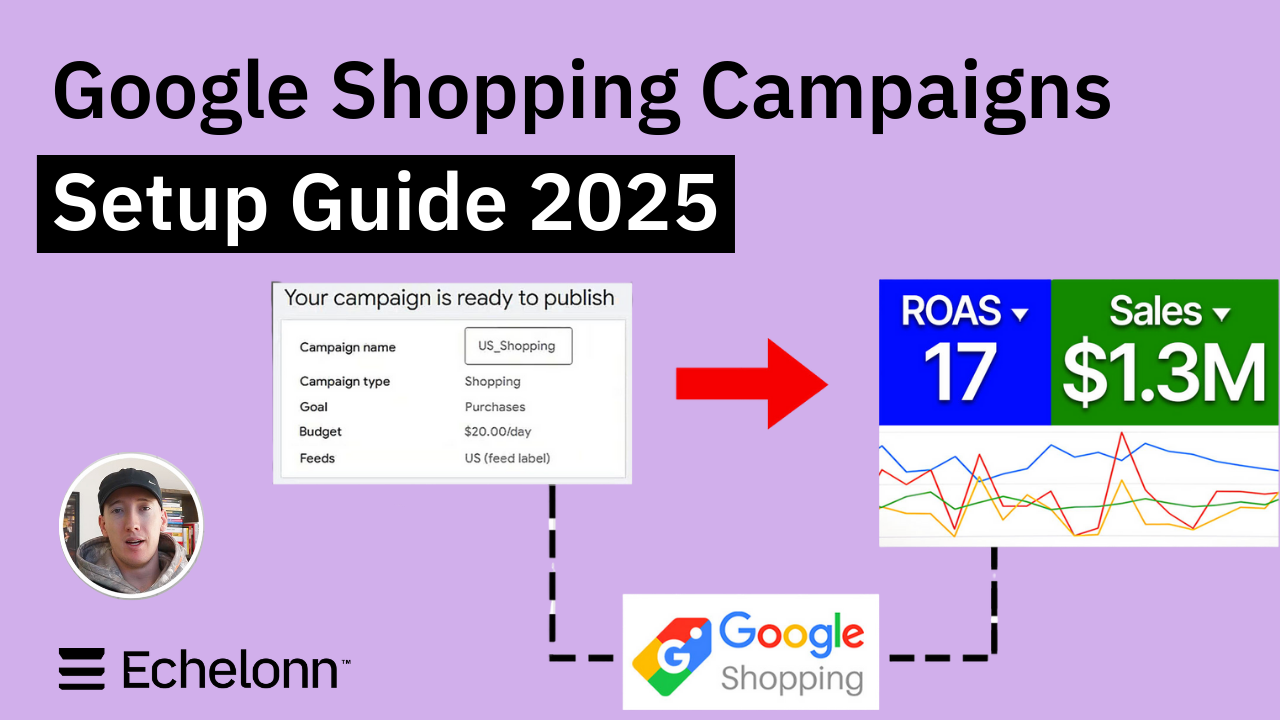
Google Shopping Campaigns Setup Guide 2025
Confessions of a Google Ads Auditor: The Worst Mistakes We See Inside eCom Accounts

How to Spy on Competitor Google Ads: Complete 2025 Guide
%20(2).png)
7 Questions to Ask Before Hiring a Google Ads Consultant
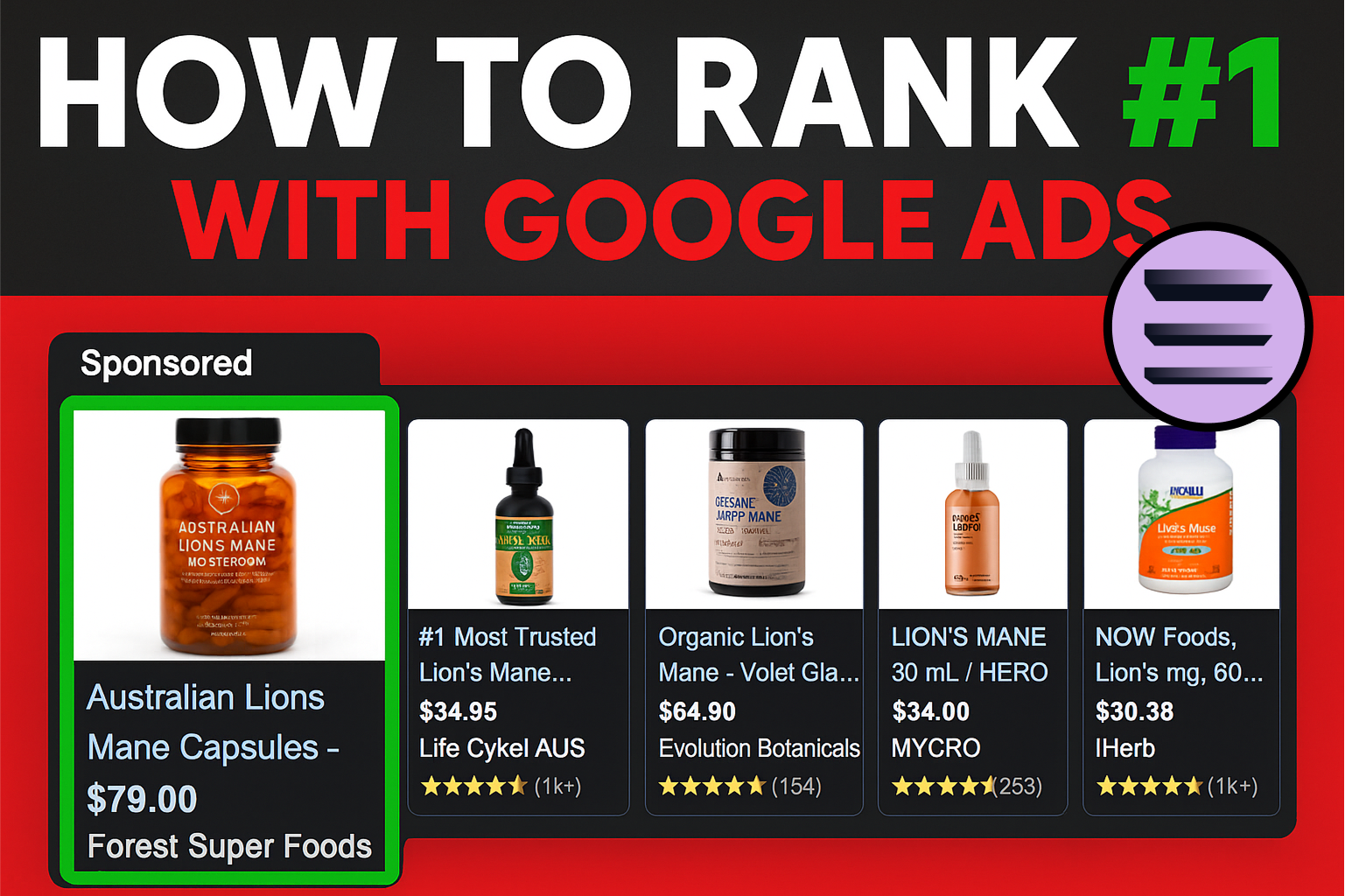
How to Rank #1 on Google Ads: Complete Shopping & Search Guide 2025
.png)
Learning Google Ads in 2025: The Roadmap Nobody Talks About
%20(1).png)
What Makes a Google Ads Specialist Worth $10,000/Month?

Why Cheap Google Ads Consulting Costs You $180,000+ in Lost Revenue
.png)
Why 99% of Google Ads Experts Fail (& How to Find One That Won’t)
.png)
5 Google Product Feed Fixes for eCom Growth
.png)
Google Ads Campaign Structure: Why 95% of Brands Waste Budget on Mixed Traffic

In-House vs Agency Google Ads: Which Delivers Better ROI in 2025?
.png)
How to Scale Google Ads With a Small Budget | Setup and Optimization

Google Shopping Optimization: 11 Proven Tactics for Maximum ROAS
%20(3).png)
eCom Growth Strategy: How We Scaled a Supplement Brand From $1.9M to $8.6M With Google Ads
%20(4).png)
Google Merchant Center Fix: How to Improve Rankings With Accurate Shipping Times

CTR Is Misunderstood by 95% of the PPC Industry (What to Optimise for Instead)
.png)
Google Ads AI | Manual vs Automated Campaign Performance

Complete YouTube Ads Guide 2025 | 3 Formats, 5 Principles, Proven Results
%20(2).png)
eCom Growth Strategy With Google Ads in 2025
.png)
Google Marketing Live 2025: 11 Key Takeaways for Marketers
%20(1).png)
YouTube Advertising Strategy: How to Drive Results Across Every Format
Google Shopping Feed Optimisation: Tips for Better Results

How Long Does it Take for Google Ads to Work?

YouTube Ads Cost in 2025: How to Launch & Optimize a YouTube Advertising Campaign

Search Ad Strategies to Maximize Sales with Google ads for eCommerce (2024)

2025 Google Shopping Ads: Ultimate Guide, Benchmarks, and Pricing Breakdown

Maximizing ROI with Advanced Google Shopping Bid Strategies and Automated Bidding