
.svg)
7 Benefits of Google Shopping Ads for Your eCommerce Business


.png)
Earning visibility in Google search results has become increasingly competitive for eCommerce brands. As more retailers invest in paid search, standing out in search results is no longer only about bidding on the right keywords. Presenting products in a way that attracts attention and drives qualified clicks has become increasingly important.
One format that has become particularly effective is Google Shopping Ads. They are product-based ads that appear directly in search results and display key information such as the product image, price, and the brand name. For eCom brands, they have become one of the most effective ways to reach customers who are actively searching for products to buy.
Unlike traditional text ads, Shopping ads allow potential customers to see important product details before they even click. This creates stronger purchase intent, improves click quality, and helps eCommerce businesses attract highly relevant traffic.
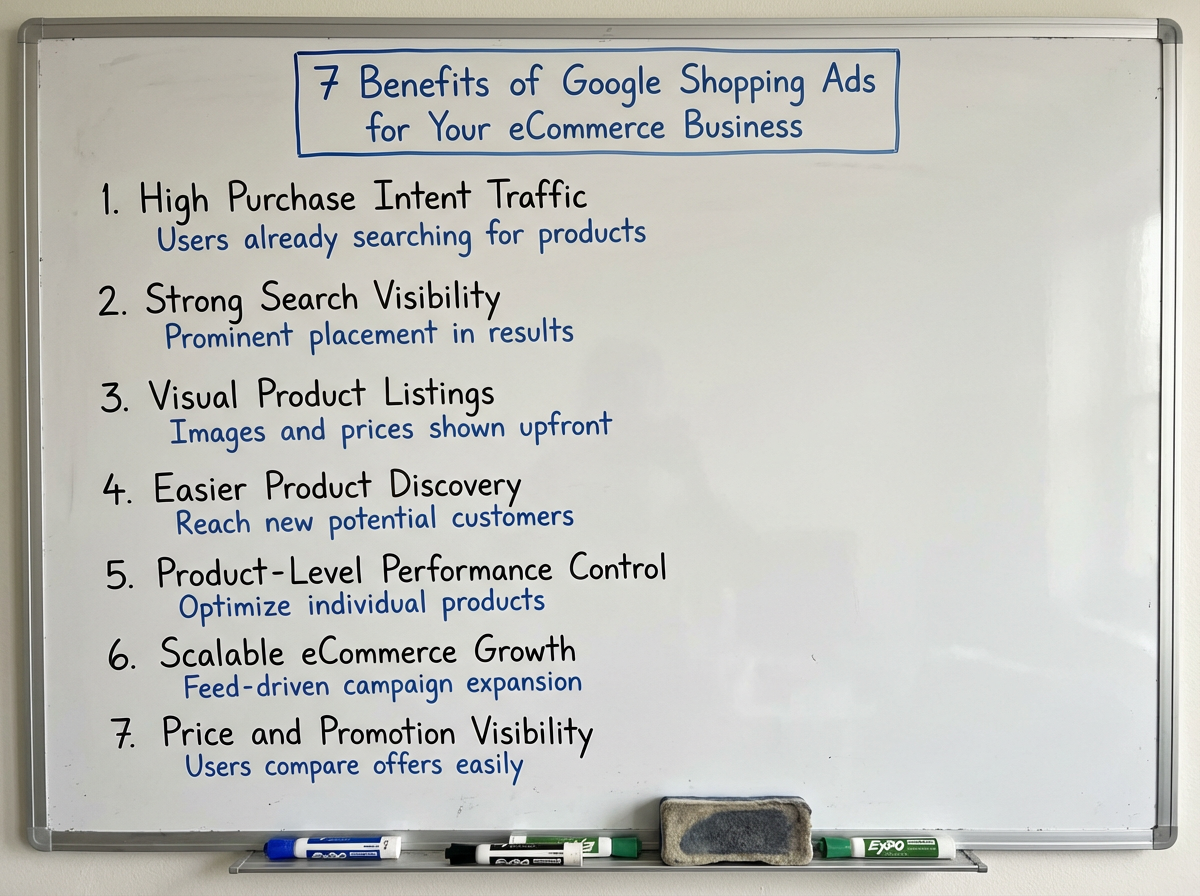
Benefit #1: High Purchase Intent Traffic
One of the biggest advantages of Google Shopping Ads is the ability to reach users who are already searching for specific products. Rather than targeting broad keywords alone, Shopping ads appear when people actively search for items such as a product category, brand, or a specific model.
Because these searches usually occur later in the buying journey, the traffic generated by Shopping campaigns tends to have stronger purchase intent. Users often already know what they want and are comparing available options, prices, or retailers. For many eCommerce brands, this makes Google Shopping an effective channel for capturing high-intent demand directly from search results.
Benefit #2: Better Product Visibility in Search Results
Google Shopping Ads occupy some of the most prominent placements in search results. They often appear at the top of the page in the product carousel and can also be visible alongside traditional search ads and organic listings.
The visual placements allow eCommerce brands to showcase multiple products directly within the search results, increasing both product and brand visibility compared to standard text ads. Instead of competing for a single text position, Shopping campaigns can display several products at once, helping brands capture more attention and expand their presence on high-value search queries. This visibility is especially valuable for product-driven searches, where users are actively comparing options before making a purchase decision.
Benefit #3: Visual Product Listings Improve Click Quality
While Search Ads rely heavily on text copy, Google Shopping Ads display product images, prices, brand names, and sometimes reviews directly in the search results. This visual format allows users to quickly evaluate whether a product matches what they are looking for before they even click on the ad.
As a result, the traffic generated by Shopping ads is often more qualified. Users who click typically already understand what the product looks like and how much it costs, which helps filter out less relevant traffic and increases the likelihood of a conversion. This pre-click transparency helps reduce mismatched clicks and improves overall traffic quality compared to traditional text-based search ads.
Benefit #4: Easier Product Discovery for New Customers
Google Shopping Ads are highly effective at capturing existing demand, but they can also help eCom brands reach new audiences. Modern campaign types such as Performance Max use Google’s machine learning to distribute products across multiple placements, including search, YouTube, and the Google Display Network. This allows advertisers to introduce their products to potential customers who may not have discovered them through search alone.
At the same time, Shopping campaigns generate valuable performance data that helps advertisers identify which products and search terms drive the best results. These insights can also highlight new keyword opportunities that support broader marketing efforts, including SEO.
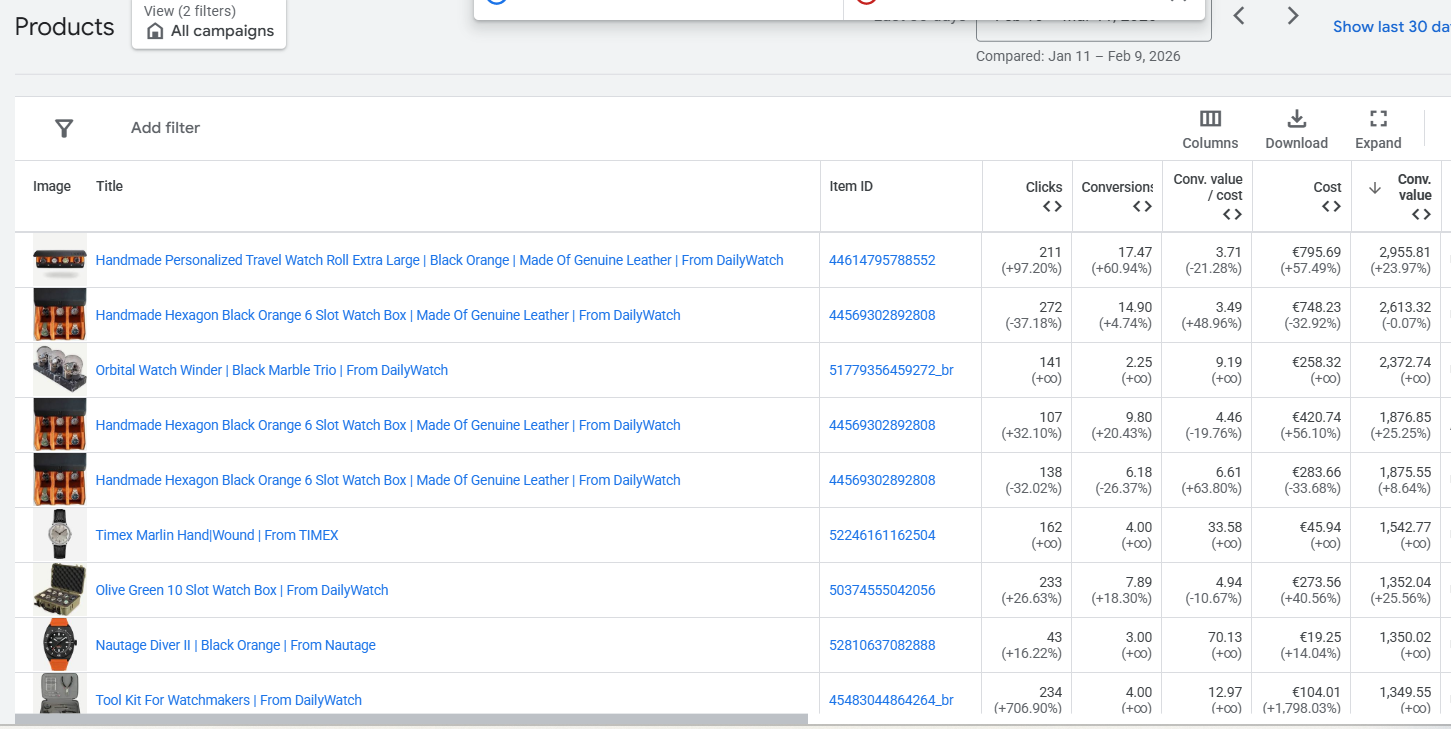
Benefit #5: More Control Over Product-Level Performance
Another advantage of Google Shopping Ads is the ability to analyze and optimize performance at the product level. Instead of evaluating campaigns only through keywords, advertisers can see exactly how individual products perform in terms of clicks, conversions, and ROAS.
This level of visibility makes it easier to identify which products generate revenue and which ones burn through budget without delivering meaningful results. For eCommerce businesses managing large product catalogs, this product-level insight is essential for prioritizing high-performing items and allocating budget more effectively. Advertisers can focus investment on profitable products, limit spend on underperforming items, and gradually scale campaigns around the products that drive the most revenue.
Benefit #6: Scalable Growth for eCommerce Brands
Once a Shopping campaign is properly set up and running, it can become a highly valuable and scalable acquisition channel for eCom brands. Because Shopping ads are driven by product data rather than keywords alone, advertisers can expand their reach across thousands of relevant search queries without needing to build large keyword lists.
As new products are added to the product feed, they automatically become eligible to appear in Shopping results. Combined with ongoing optimization and performance data, this setup allows brands to gradually scale ad spend while maintaining control over profitability. This feed-driven model makes Shopping campaigns particularly effective for eCommerce businesses with large product catalogs and constantly changing inventories.
Benefit #7: Stronger Price and Promotion Visibility
Price is often one of the most important factors in online purchase decisions. Google Shopping Ads display product pricing directly in the ad, allowing users to easily compare offers from various retailers before clicking. This level of price visibility helps pre-qualify users before they click, as they are already comfortable with the price range, which often leads to more qualified traffic and can improve key performance metrics such as conversion rate, CPA, and overall campaign efficiency.
In addition, Google Merchant Center allows advertisers to highlight special offers, such as discounts, promotions, or limited-time deals directly within Shopping listings. These promotion badges help products stand out in crowded search results and encourage more users to click.
While the benefits of Google Shopping Ads are clear, campaign performance ultimately depends on how the campaigns are structured and optimized. The video below walks through the framework behind profitable Google Shopping campaigns and explains how eCommerce brands use campaign structure, product data, and optimization to turn Google Shopping into a scalable revenue channel.
When Google Shopping Ads Work Best
Google Shopping Ads can be beneficial for many eCom brands – but they tend to perform best in certain scenarios. First, they work particularly well for eCommerce businesses with a clear product catalog and multiple SKUs. The more products available in the feed, the more opportunities Google has to match those products with relevant searches.
Second, Shopping campaigns are especially effective when pricing is competitive and product information is well optimized. Accurate product titles, strong images, and structured product data help Google understand what the product is and when it should appear in the search results.
Finally, Google Shopping Ads work best when they are supported by well-optimized product and collection pages. Since users can already see the product image and price before clicking, the landing page experience should reinforce that expectation and make it easier for users to complete the purchase.
Final Thoughts: Why Google Shopping Ads Are a Powerful Channel for eCommerce Brands
For many eCom brands, Shopping ads have become one of the strongest and most reliable ways of capturing high-intent traffic directly from search results. Their visual format, prominent placement, and product-level data give advertisers a level of visibility and control that traditional text ads cannot always provide. At the same time, the ability to showcase product images, pricing, and promotions before the user even clicks helps attract more qualified traffic.
When properly structured and optimized, Google Shopping campaigns can support both product discovery and revenue growth. For eCommerce brands looking to scale their paid acquisition efforts, they remain one of the most powerful advertising channels available.

Ready To Start Scaling Today?
Scaling Your Favorite eCommerce Brands To The Highest Levels Through Google & YouTube Ads.

.svg)
Get Smarter About How To Scale Your Brand...
Discover Insider Knowledge On How We Scale Brands From 7 Figures All The Way Up To 8-9 Figures With Google Ads.
.svg)
.svg)
"The best Google ads agency there is. You only need to look at the quality of clients and the reviews to understand Jackson and his team are the real deal."

"One of the best in the agency space, great service and exceptional results. Since signing on with Jackson he has become one of our greatest assets when scaling."

"Top tier team & service delivery. Jackson is relentless when it comes to fulfilment & client needs. His attention to detail during the onboarding process ensured exponential results for my coaching business. If you're looking to elevate your ad results & learn a tone of new options/skills that can be implemented to drive more sales to your business then I'd strongly recommend Echelonn."

"From the very first conversation with Jackson and his team, it was clear that we had found a Google Ads agency that prioritises results above all else. Their collaboration between data-driven experts and a skilled copywriter creates a dynamic duo for Google advertising success..."

"Been working with them for 9 months and it's been a great experience. Jackson and his team know what they are doing and always goes above and beyond. If you're looking for a reliable Google ads agency this is the one."

"The best Google ads agency there is. You only need to look at the quality of clients and the reviews to understand Jackson and his team are the real deal."
"One of the best in the agency space, great service and exceptional results. Since signing on with Jackson he has become one of our greatest assets when scaling."
"Top tier team & service delivery. Jackson is relentless when it comes to fulfilment & client needs. His attention to detail during the onboarding process ensured exponential results for my coaching business. If you're looking to elevate your ad results & learn a tone of new options/skills that can be implemented to drive more sales to your business then I'd strongly recommend Echelonn."
"From the very first conversation with Jackson and his team, it was clear that we had found a Google Ads agency that prioritises results above all else. Their collaboration between data-driven experts and a skilled copywriter creates a dynamic duo for Google advertising success..."
"Been working with them for 9 months and it's been a great experience. Jackson and his team know what they are doing and always goes above and beyond. If you're looking for a reliable Google ads agency this is the one."
More Articles Like This.
Find answers to common queries about our services and how we can help you.
.svg)
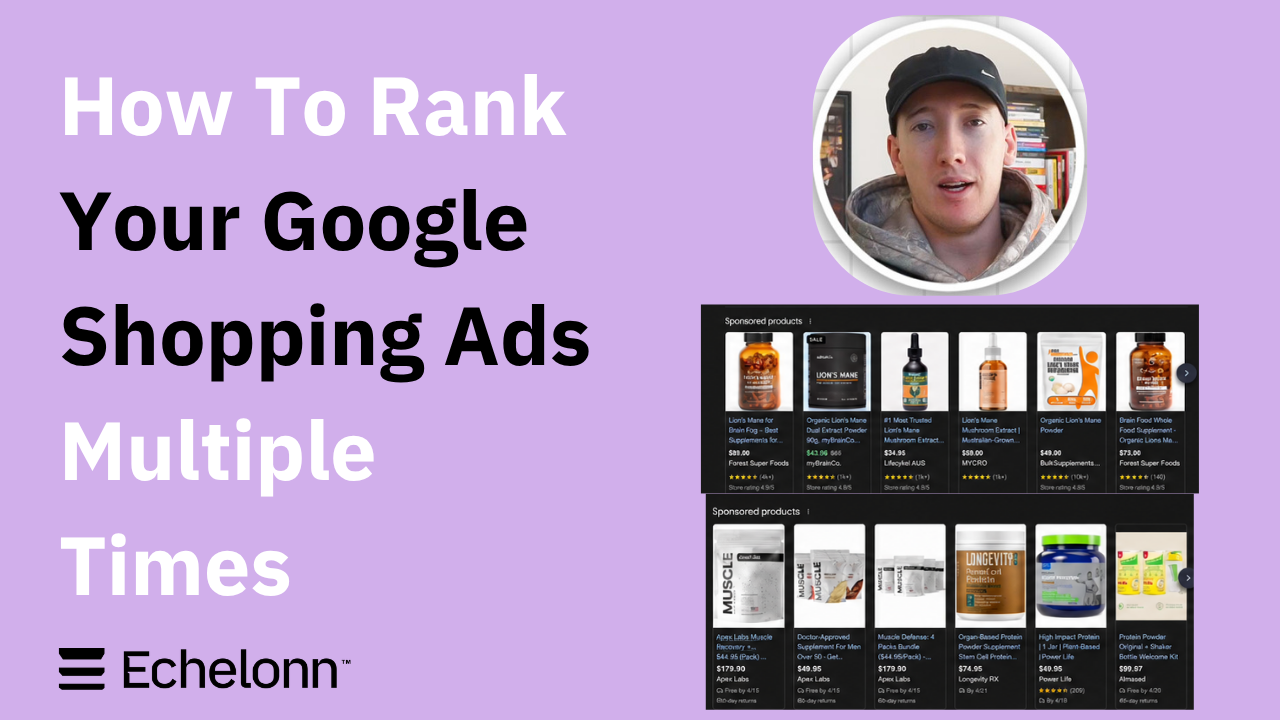
How To Rank Your Google Shopping Ads Multiple Times
Why Your Google Ads Scale Breaks After $X Per Day
How to Tell if Your Google Ads Agency Is Underperforming
Why Your Performance Max Campaign Gets Clicks but No Sales
.png)
Why Your Google Ads Budget Isn't Spending (And How to Fix It)

The Right Way to Run Google Dynamic Search Ads
How to Get New Customers With Google Ads in 2026
Why Your Google Ads CPA Keeps Increasing and How to Reduce It
What Is a Good ROAS for eCommerce Businesses?
How to Set Up Google Ads Conversion Tracking the Right Way
How Much Does a Google Ads Agency Cost?
Why Your Google Ads Are Not Converting
.png)
Average CPC in Google Ads by Industry (And What It Means for Your Strategy)
Performance Max vs. Shopping Campaigns: Which One is Better?

Why Your Google Shopping Ads Get Impressions But No Clicks (Image Optimization Guide)
Why Your Google Ads Are Not Showing

YouTube Ads Targeting Framework That's Driven $10M+ for eCommerce Brands

What Professional Google Shopping Ads Management Looks Like
How Much Do Google Ads Cost in 2026?

Should Your Business Use Google Search Ads or Performance Max?

Performance Max Best Practices for Sustainable Growth
.png)
Google Shopping Ads Audience Targeting: What Actually Impacts Performance
.png)
How to Write Google Search Ads That Actually Convert
.png)
6 Google Shopping Feed Best Practices That Drive Better ROAS
%20(1).png)
How to Get Your Products Recommended by AI (ChatGPT, Google AI & More)
.png)
Common Google Ads Myths That Cost Businesses Money
7 Benefits of Google Shopping Ads for Your eCommerce Business
.png)
How to Switch Google Ads Agency Without Losing Performance or Data
.png)
Demand Capture vs Demand Generation: Where Google Ads Fits
.png)
How to Prepare Your Business for Working With a Google Ads Agency

How to Avoid Wasting Budget on the Wrong Searches With Google Ads Keyword Match Types
Google Ads Account Ownership: What Businesses Should Know Before Hiring an Agency
.png)
Landing Page Optimization Strategies That Increase Conversions
SEO and Google Ads: How Search Engine Optimization and Paid Search Work Together
Types of Remarketing in Google Ads: How Each One Works and When to Use It
Google Ads Keyword Research: How to Find Keywords That Actually Convert
.png)
What Is Google Performance Max and How Does It Work?
.png)
How Advertorials Support High-Intent Google Ads Funnels
%20(Canva%20Template).png)
How Audience Targeting Works in Google Search Ads (and When to Use It)

Google Ads for New Brands: What to Know Before Spending Your First Dollar
.png)
What Is a PPC Agency – and When It Makes Sense to Hire One
.png)
How to Improve Your Google Ads Conversion Rate

.png)
The Right Way to Link Shopify and Google Ads for Scalable Growth
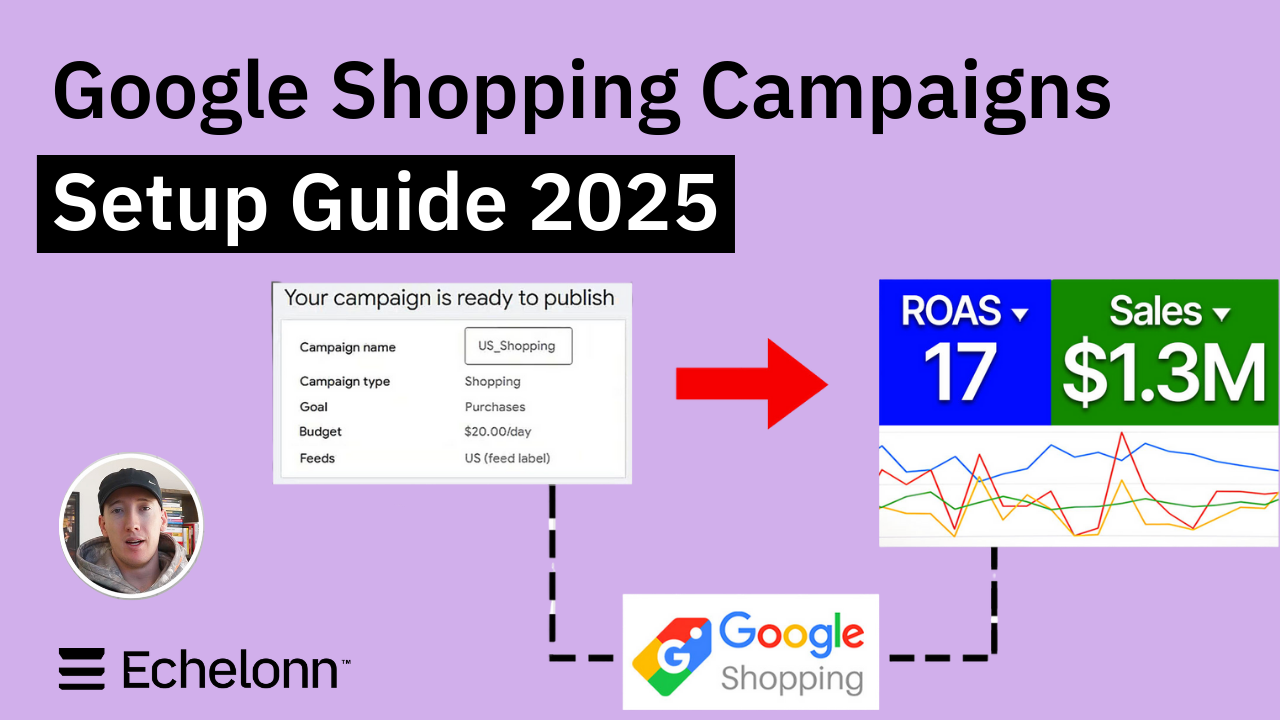
Google Shopping Campaigns Setup Guide 2025
Confessions of a Google Ads Auditor: The Worst Mistakes We See Inside eCom Accounts
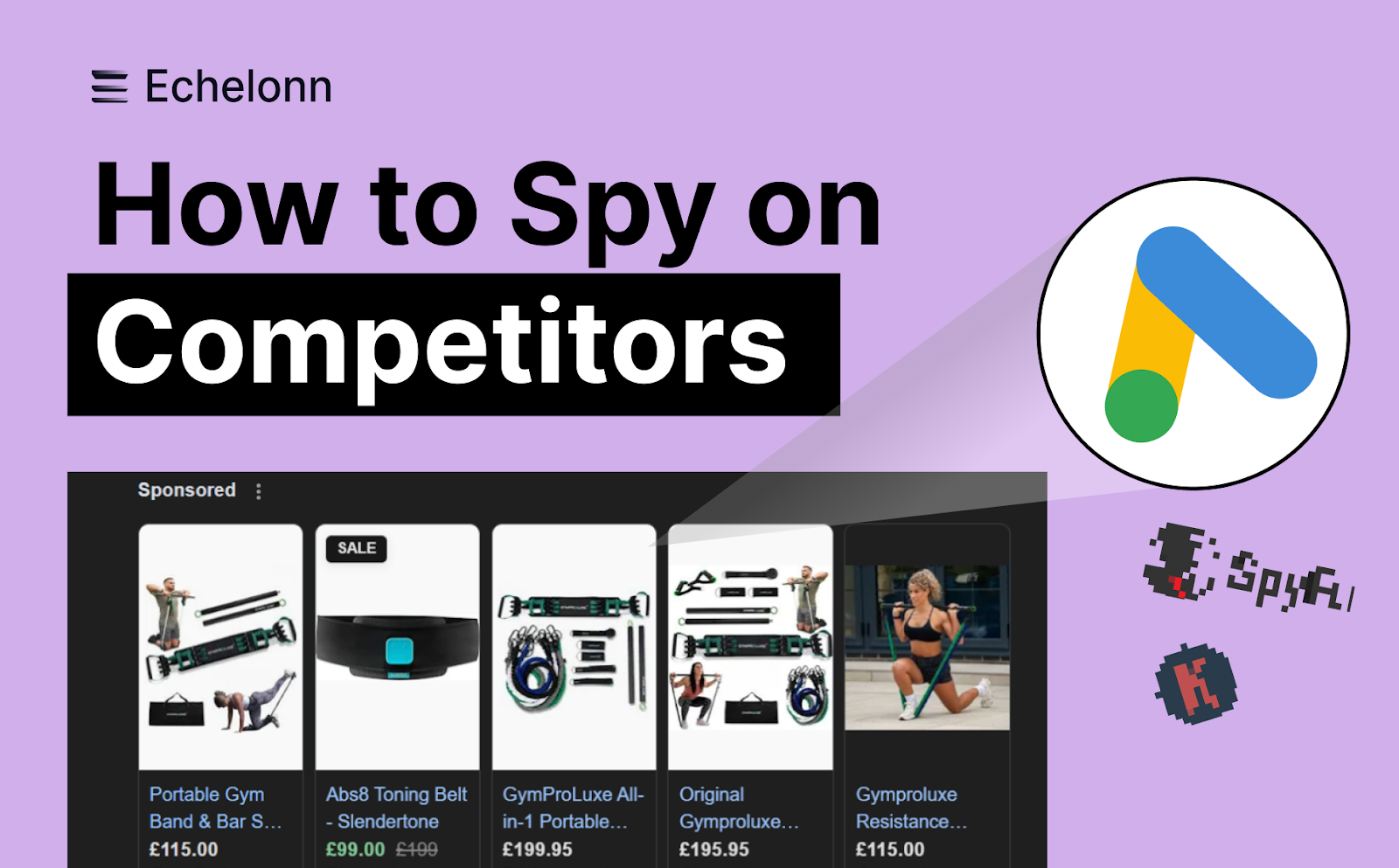
How to Spy on Competitor Google Ads: Complete 2025 Guide
%20(2).png)
7 Questions to Ask Before Hiring a Google Ads Consultant
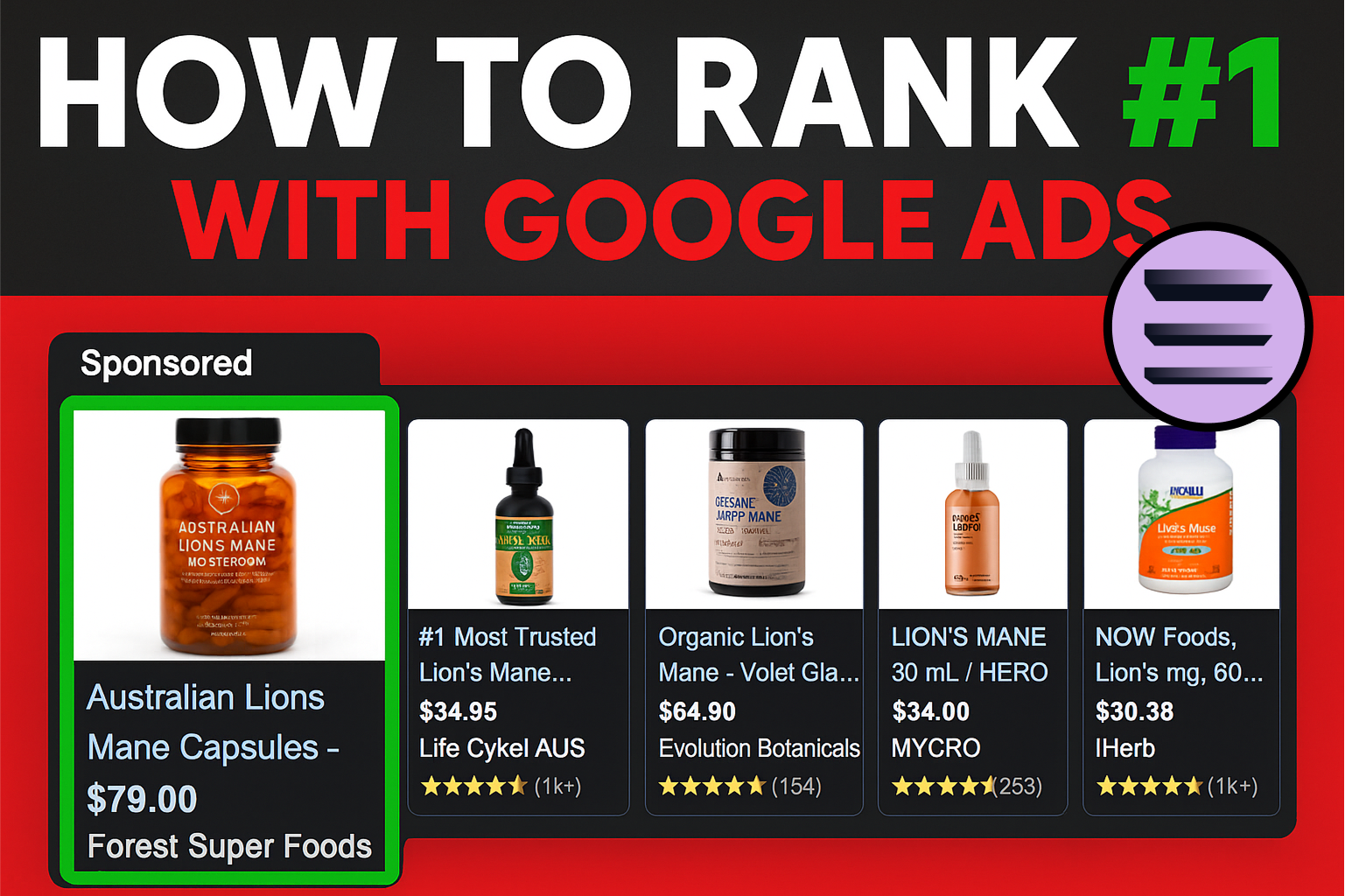
How to Rank #1 on Google Ads: Complete Shopping & Search Guide 2025
.png)
Learning Google Ads in 2025: The Roadmap Nobody Talks About
%20(1).png)
What Makes a Google Ads Specialist Worth $10,000/Month?

Why Cheap Google Ads Consulting Costs You $180,000+ in Lost Revenue
.png)
Why 99% of Google Ads Experts Fail (& How to Find One That Won’t)
.png)
5 Google Product Feed Fixes for eCom Growth
.png)
Google Ads Campaign Structure: Why 95% of Brands Waste Budget on Mixed Traffic

In-House vs Agency Google Ads: Which Delivers Better ROI in 2025?
.png)
How to Scale Google Ads With a Small Budget | Setup and Optimization

Google Shopping Optimization: 11 Proven Tactics for Maximum ROAS
%20(3).png)
eCom Growth Strategy: How We Scaled a Supplement Brand From $1.9M to $8.6M With Google Ads
%20(4).png)
Google Merchant Center Fix: How to Improve Rankings With Accurate Shipping Times

CTR Is Misunderstood by 95% of the PPC Industry (What to Optimise for Instead)
.png)
Google Ads AI | Manual vs Automated Campaign Performance

Complete YouTube Ads Guide 2025 | 3 Formats, 5 Principles, Proven Results
%20(2).png)
eCom Growth Strategy With Google Ads in 2025
.png)
Google Marketing Live 2025: 11 Key Takeaways for Marketers
%20(1).png)
YouTube Advertising Strategy: How to Drive Results Across Every Format
Google Shopping Feed Optimisation: Tips for Better Results

How Long Does it Take for Google Ads to Work?

Search Ad Strategies to Maximize Sales with Google ads for eCommerce (2024)

2025 Google Shopping Ads: Ultimate Guide, Benchmarks, and Pricing Breakdown

Maximizing ROI with Advanced Google Shopping Bid Strategies and Automated Bidding